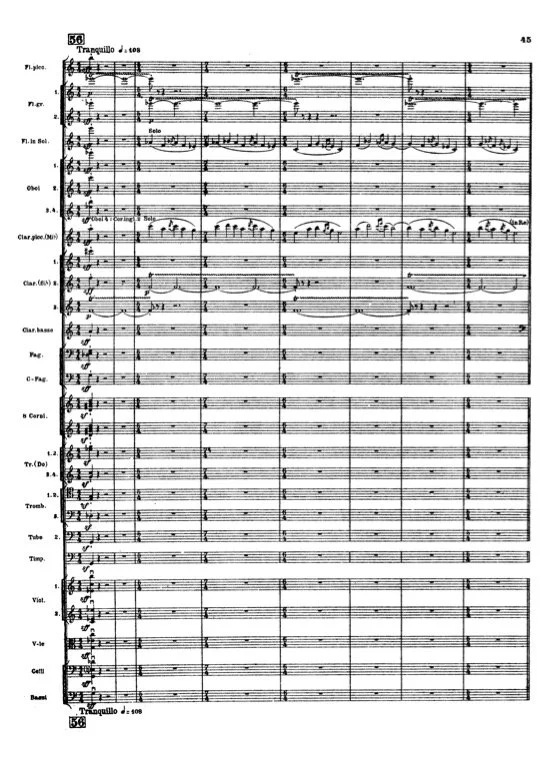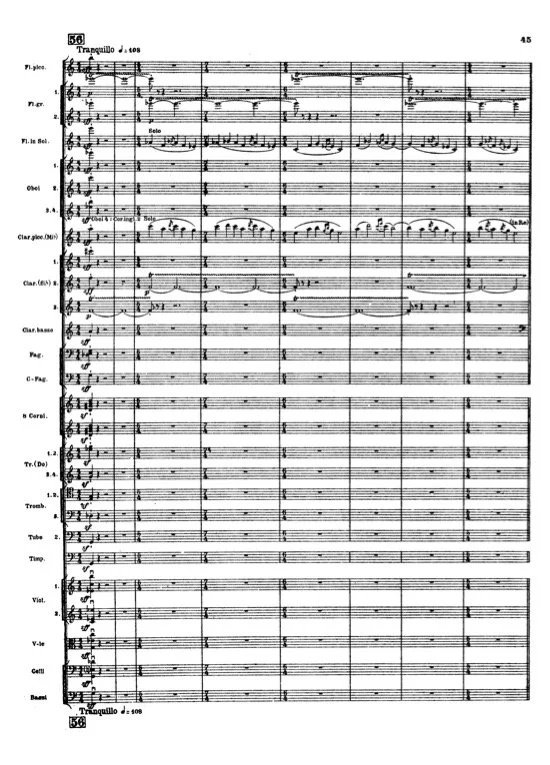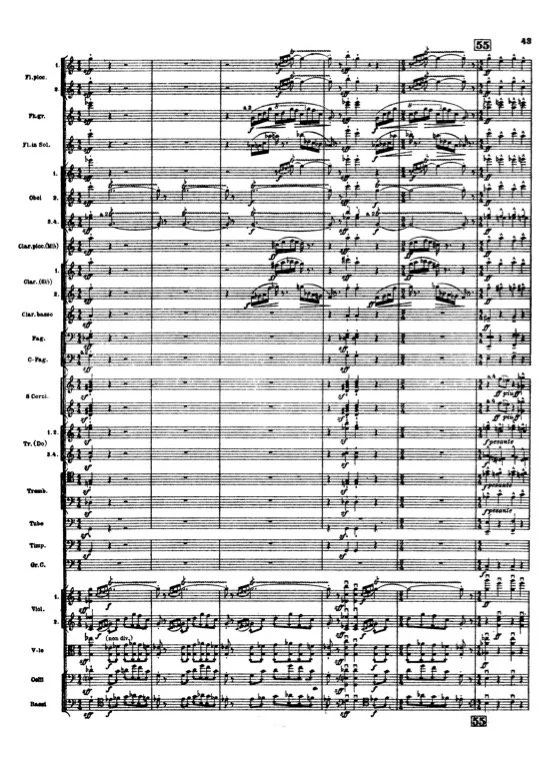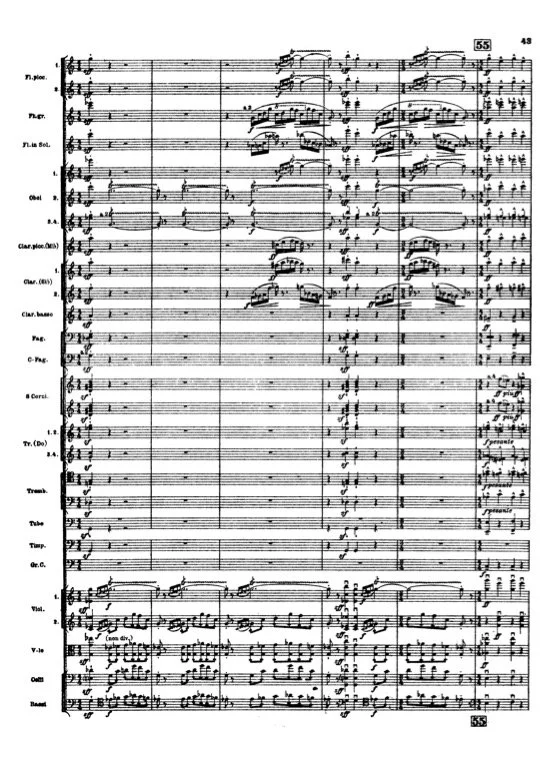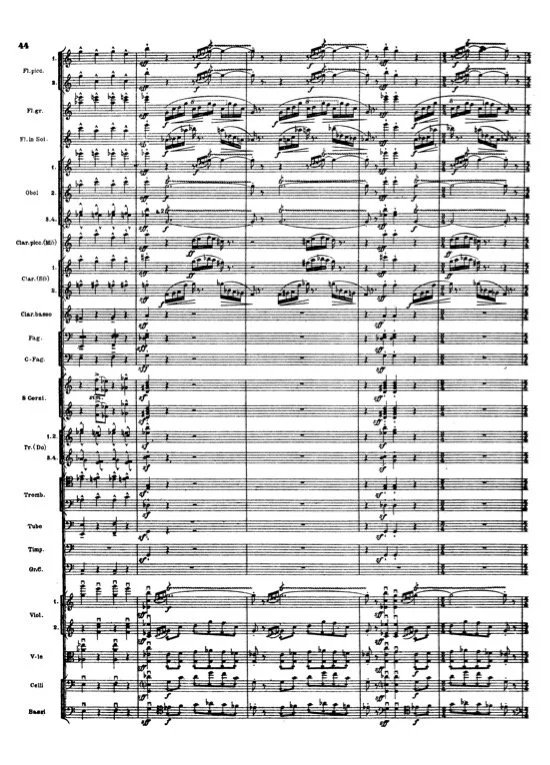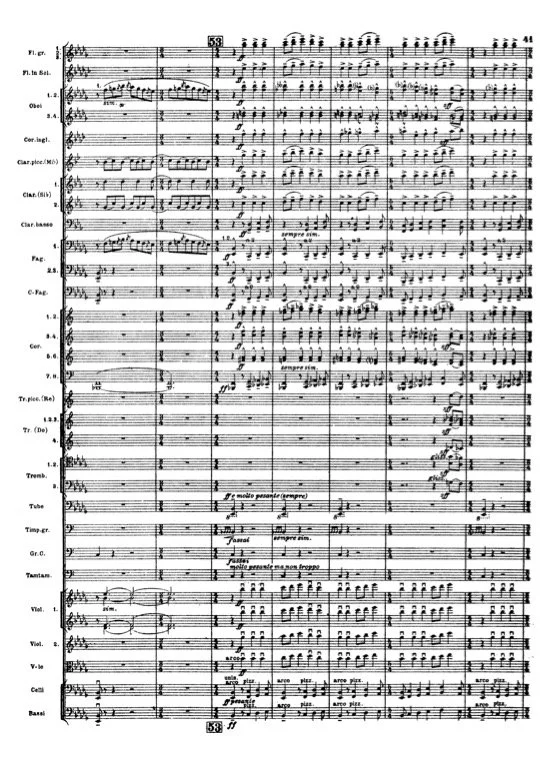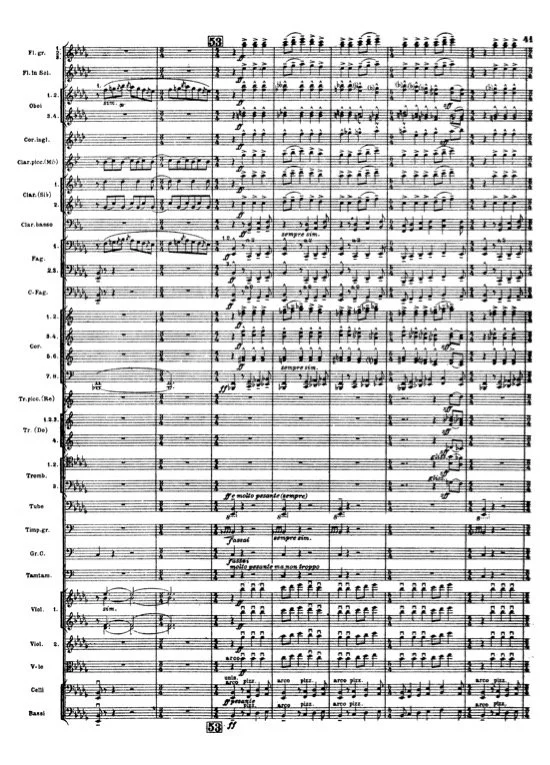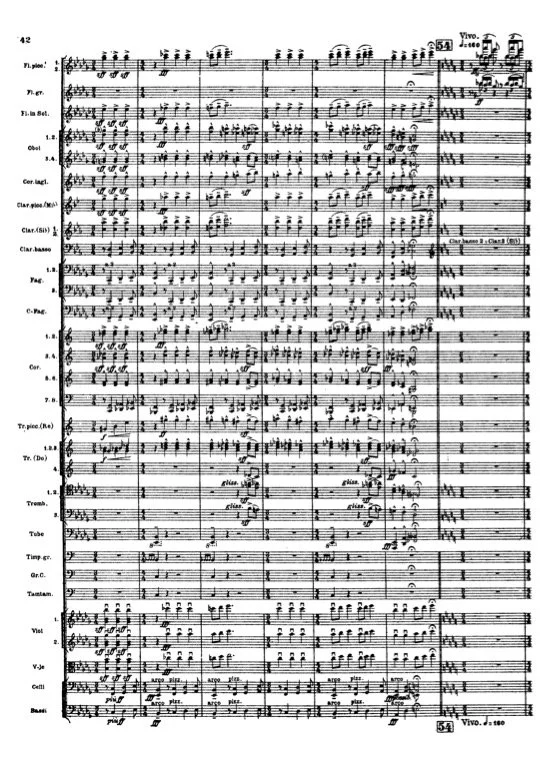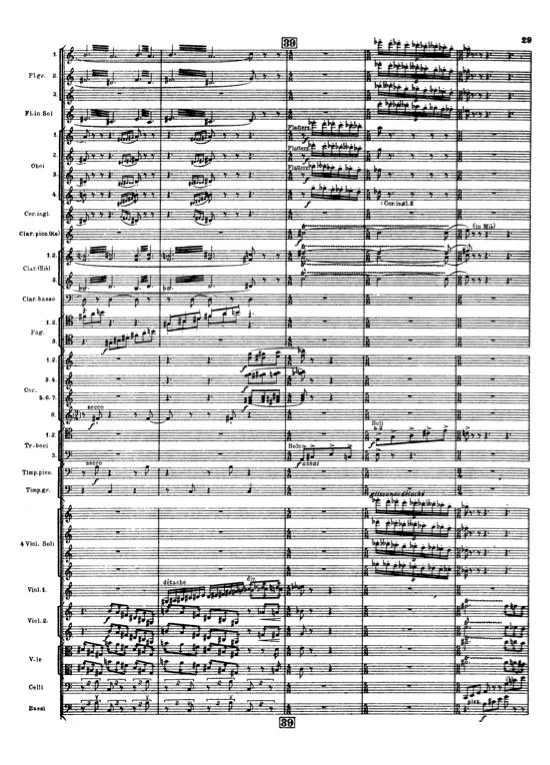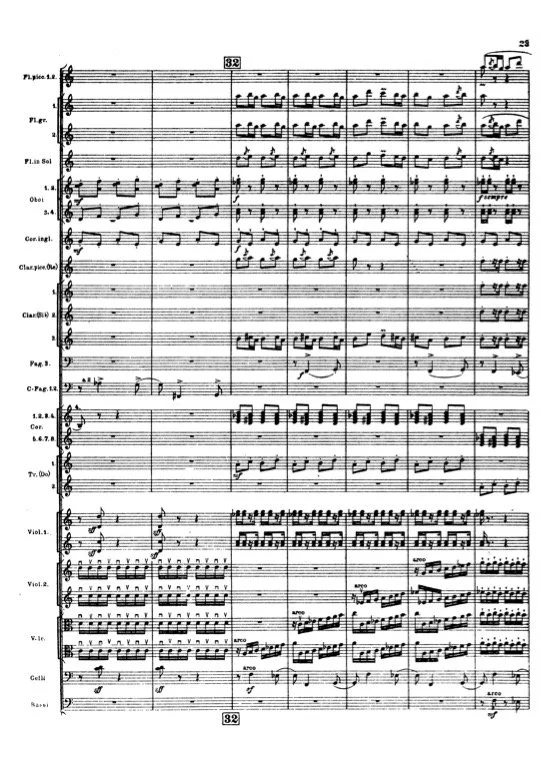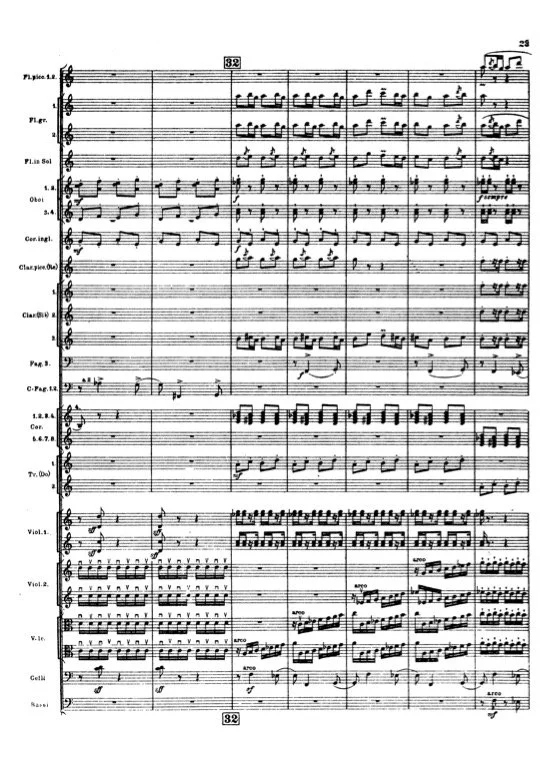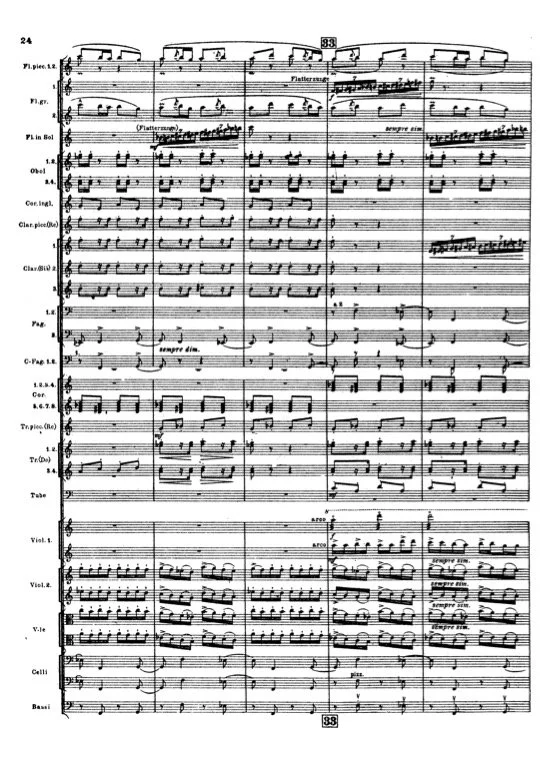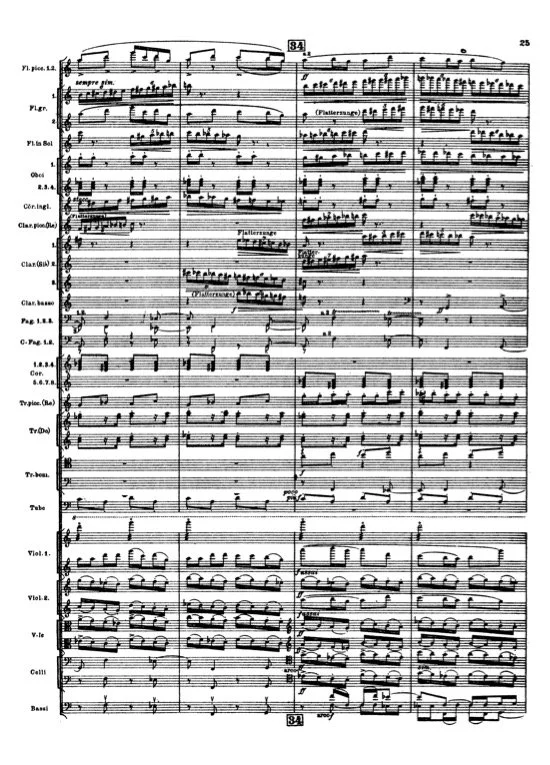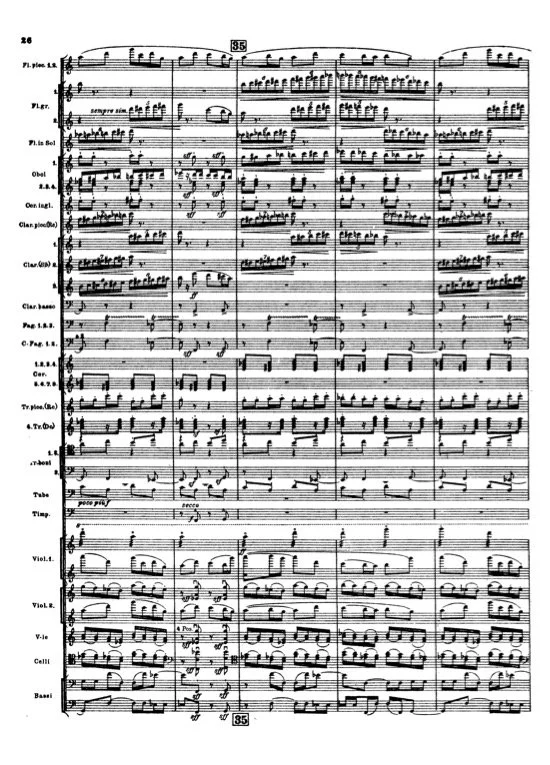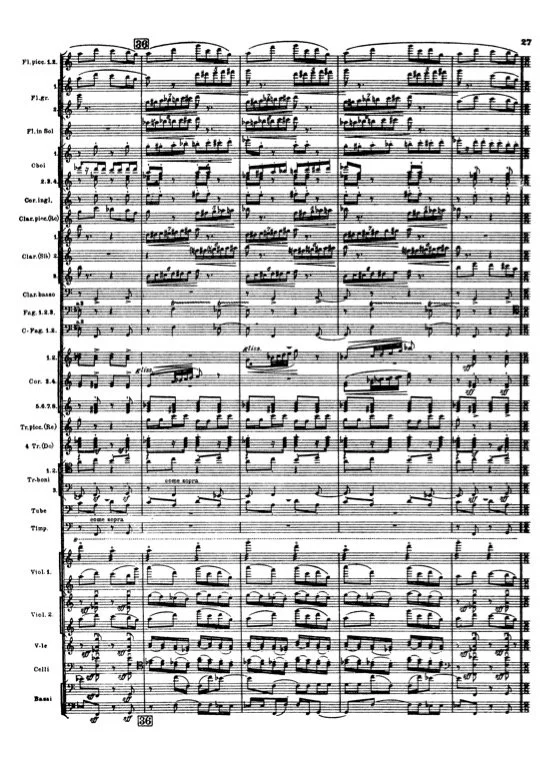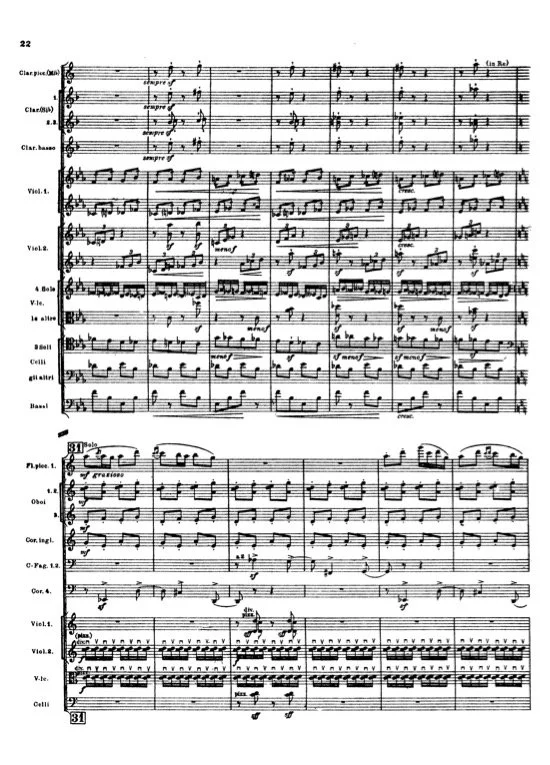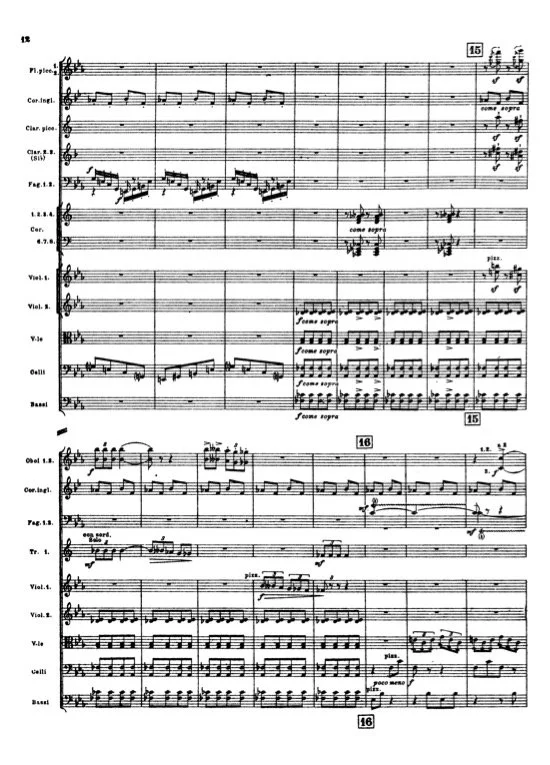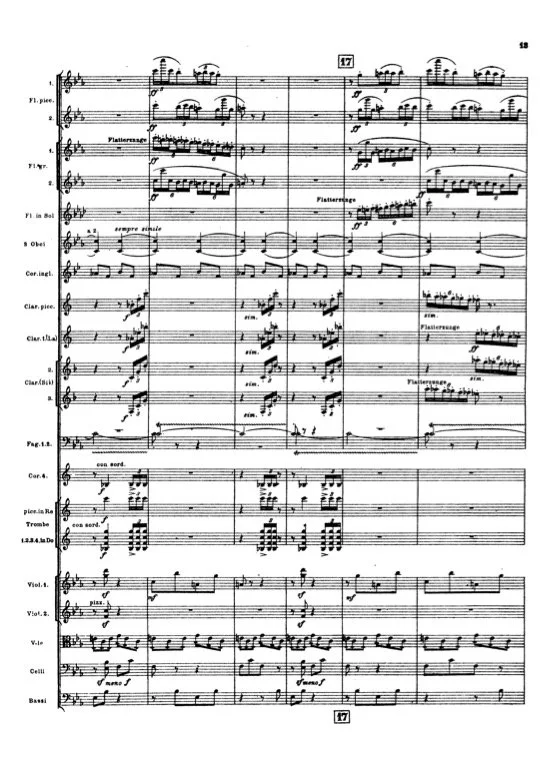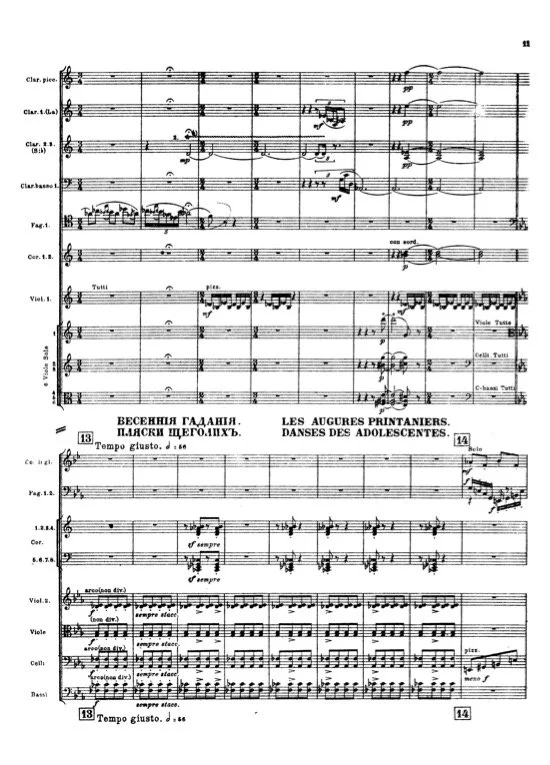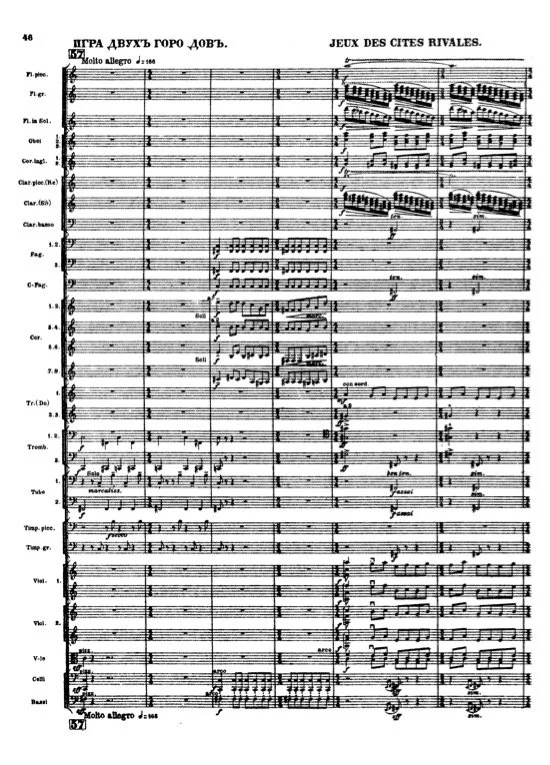
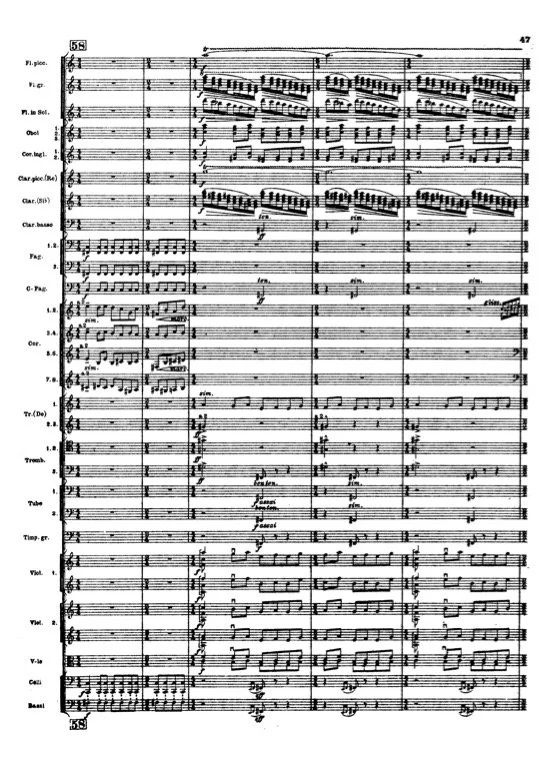
Rehearsal Numbers 57 and 58
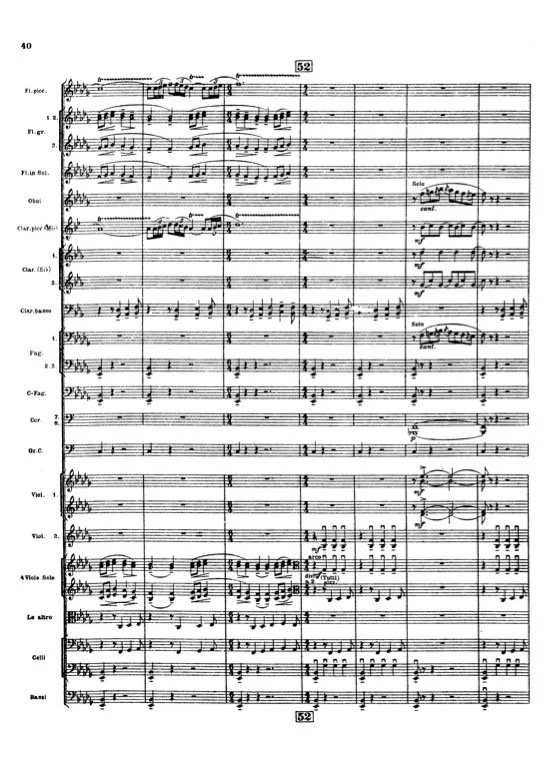
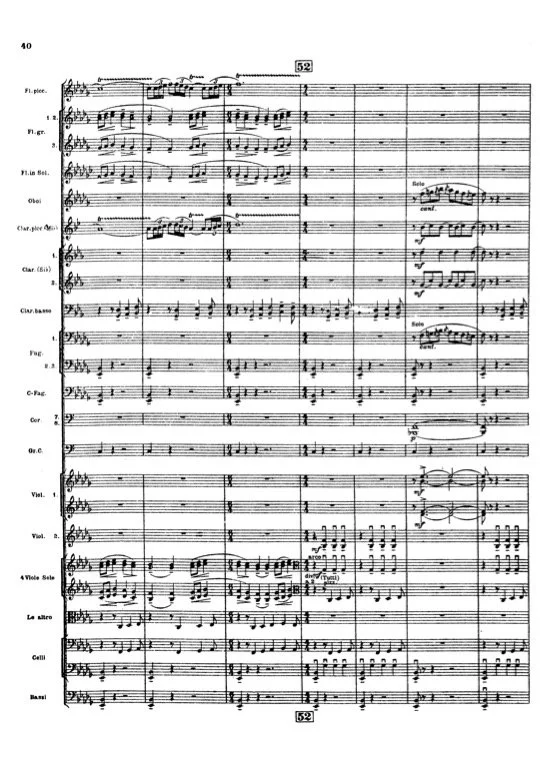
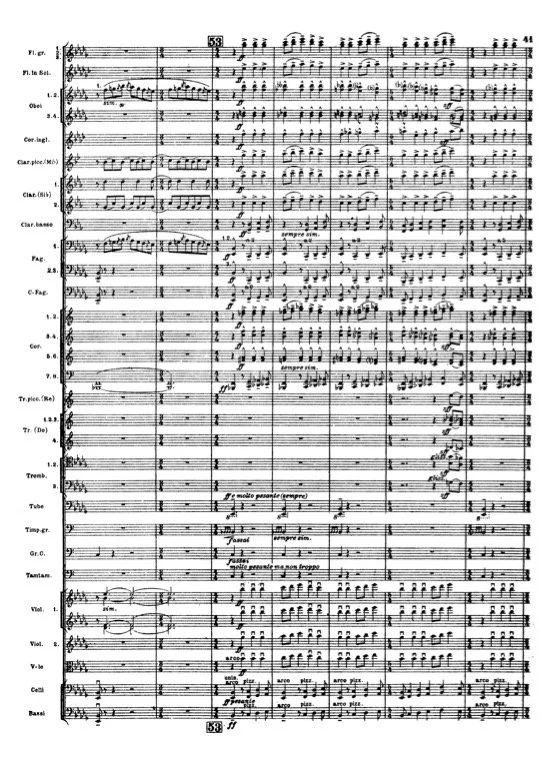
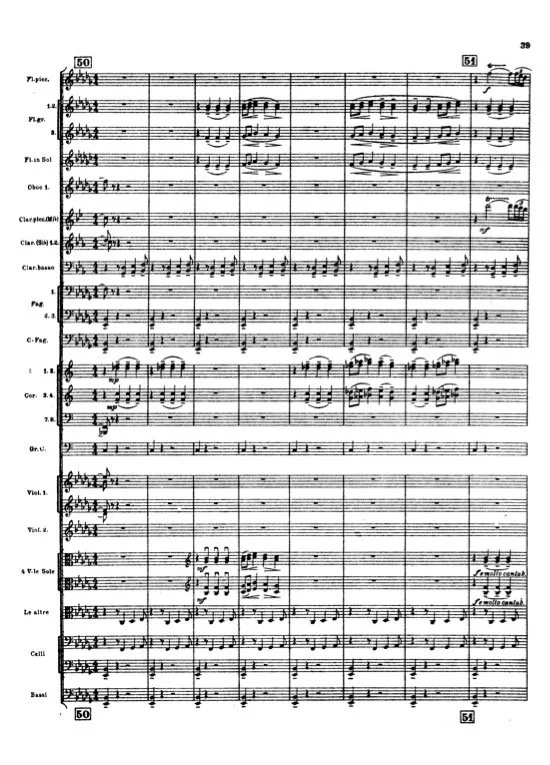
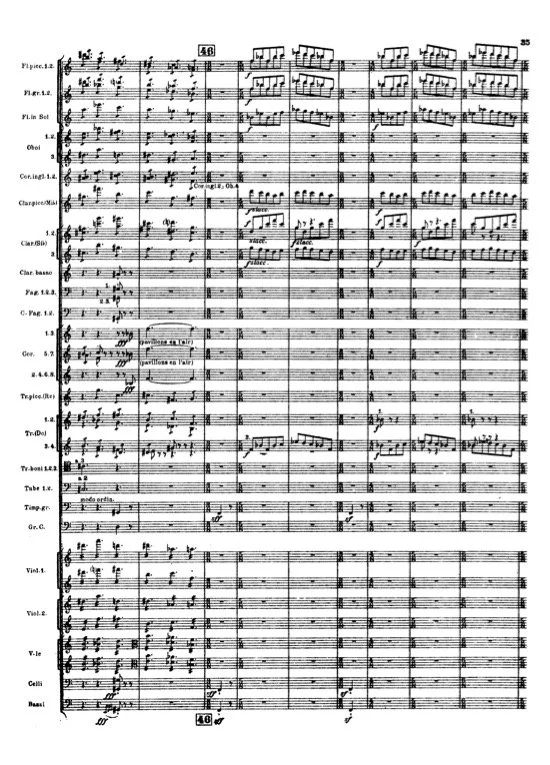
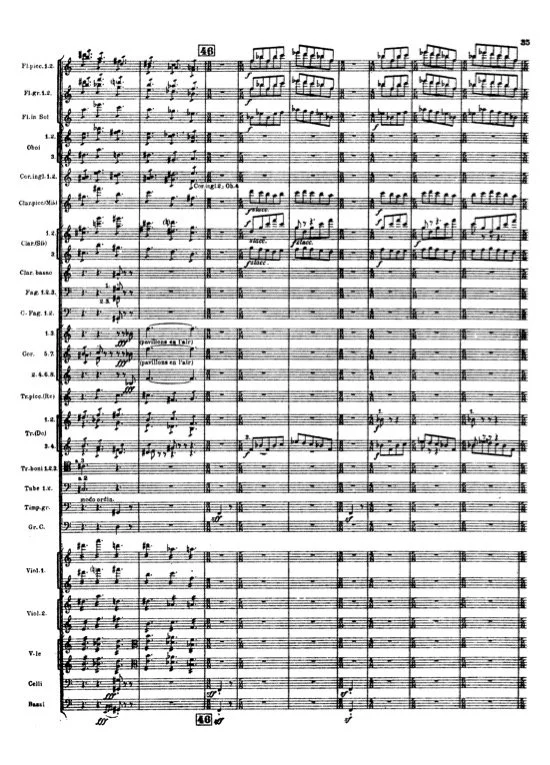
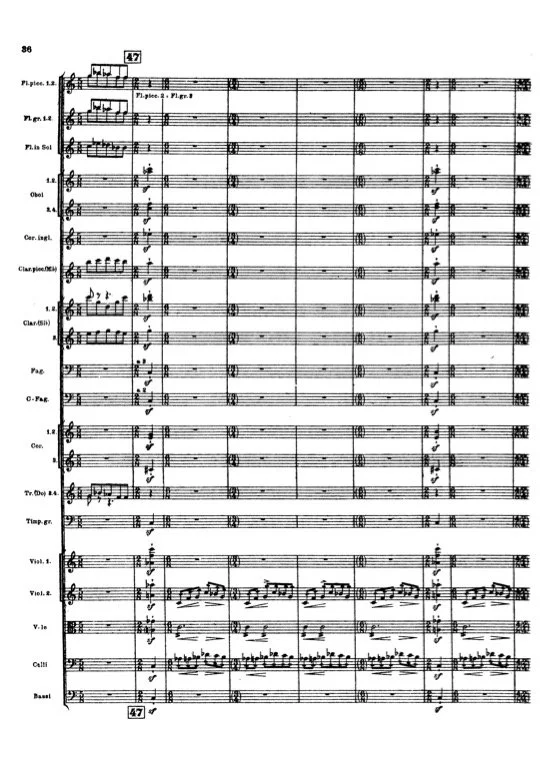
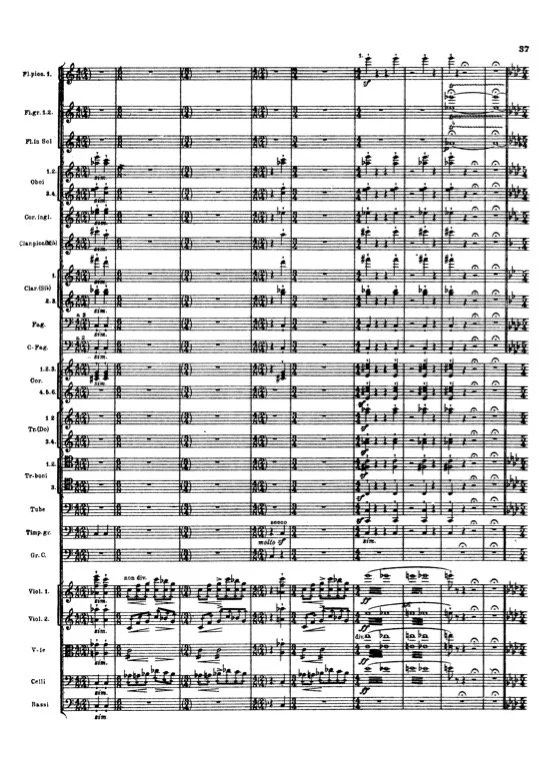
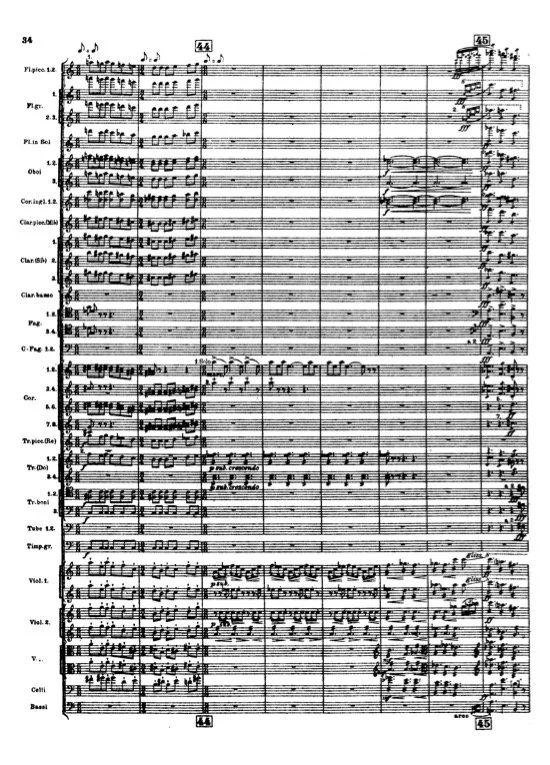
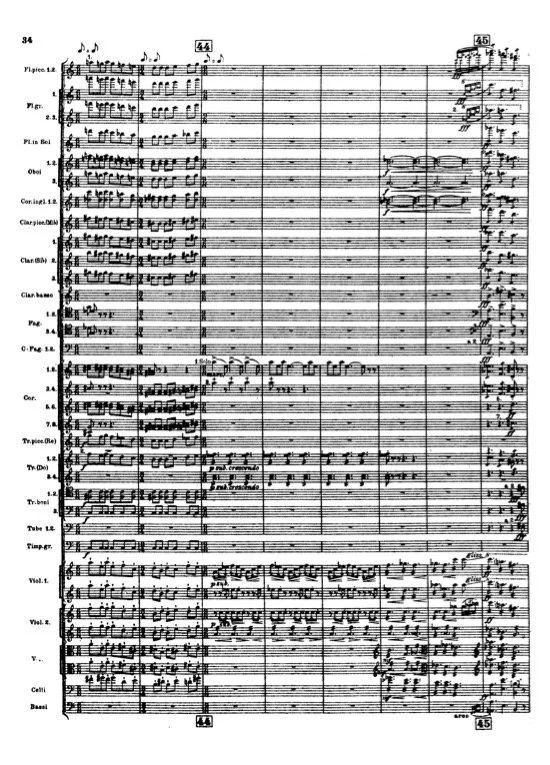
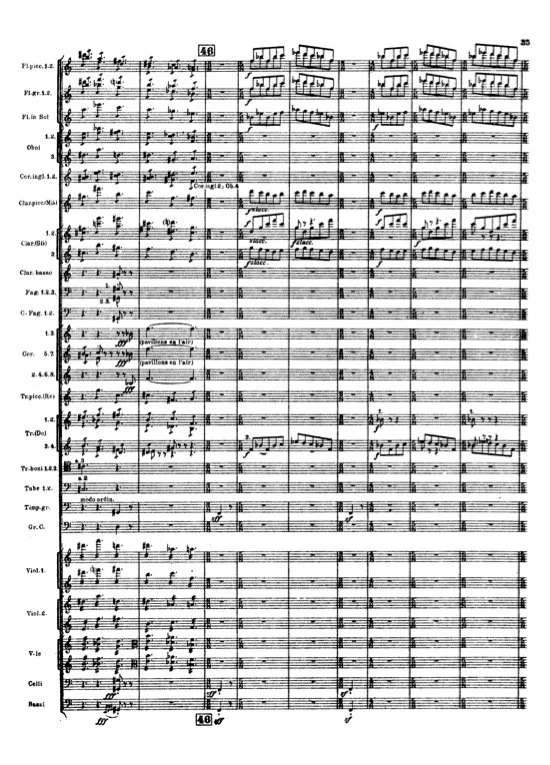
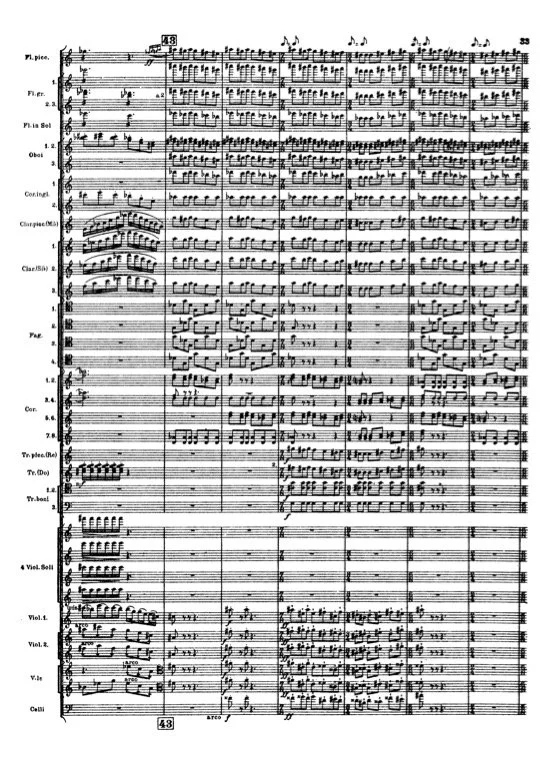
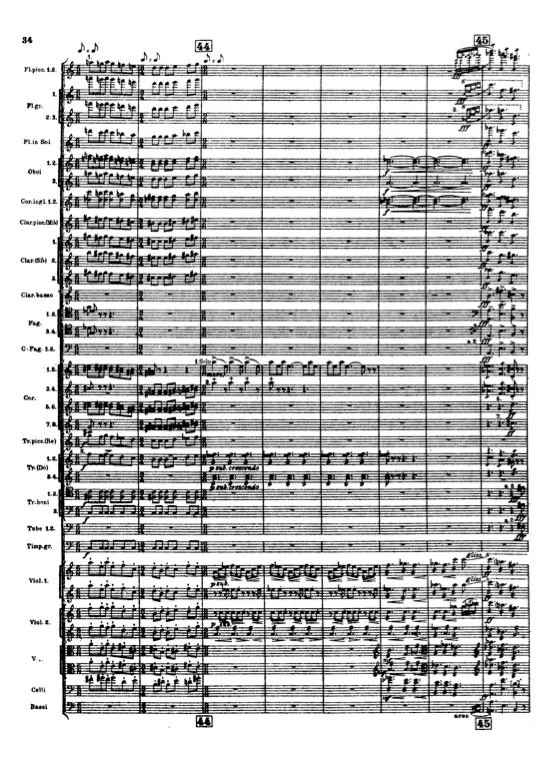
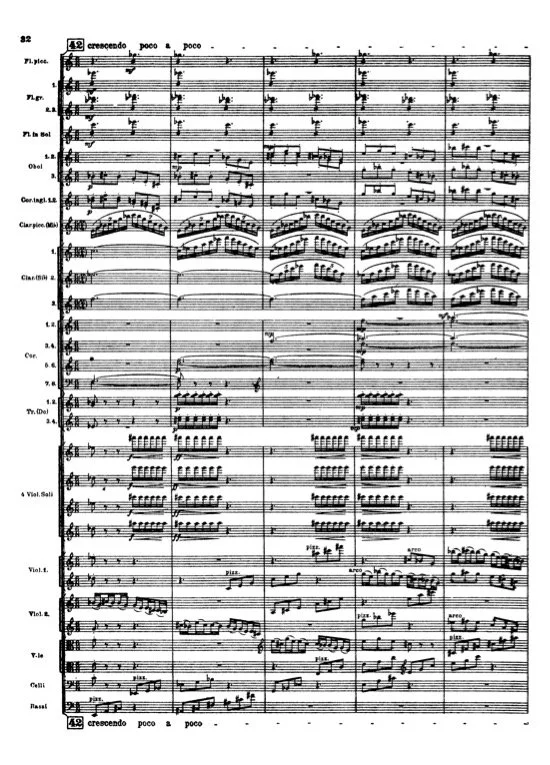
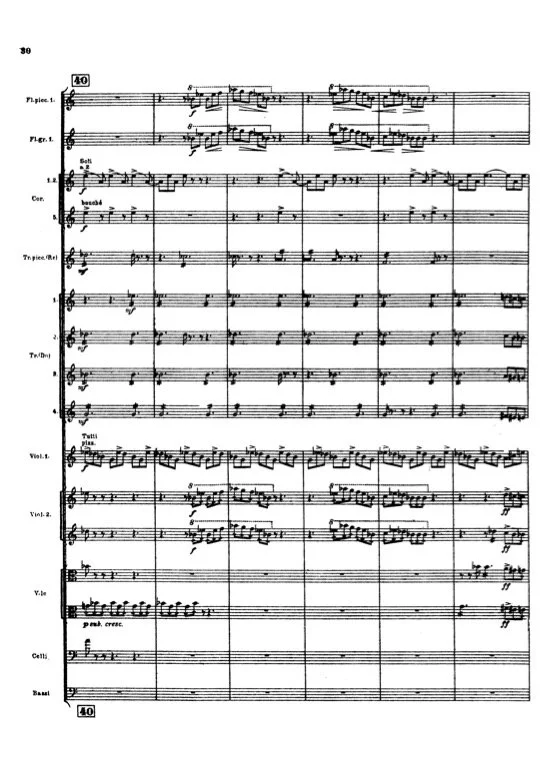
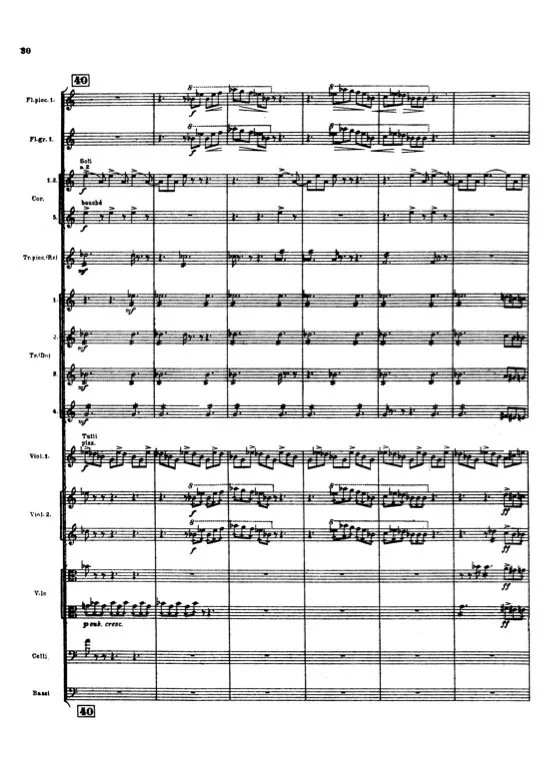
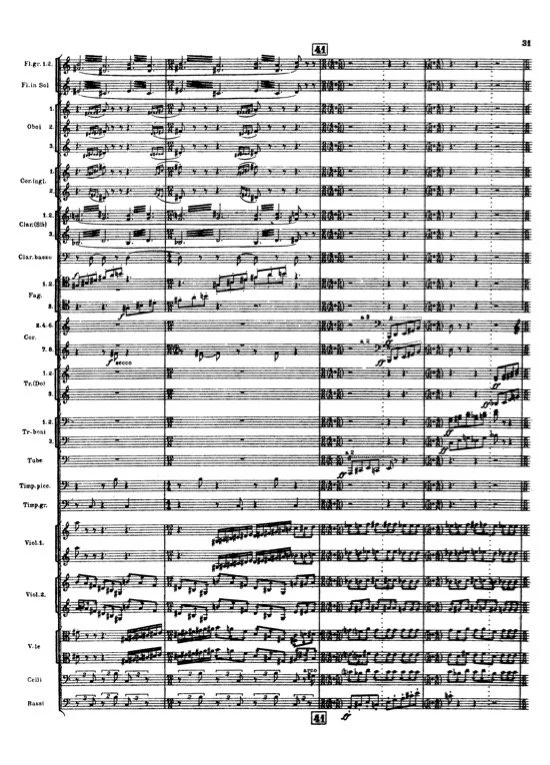
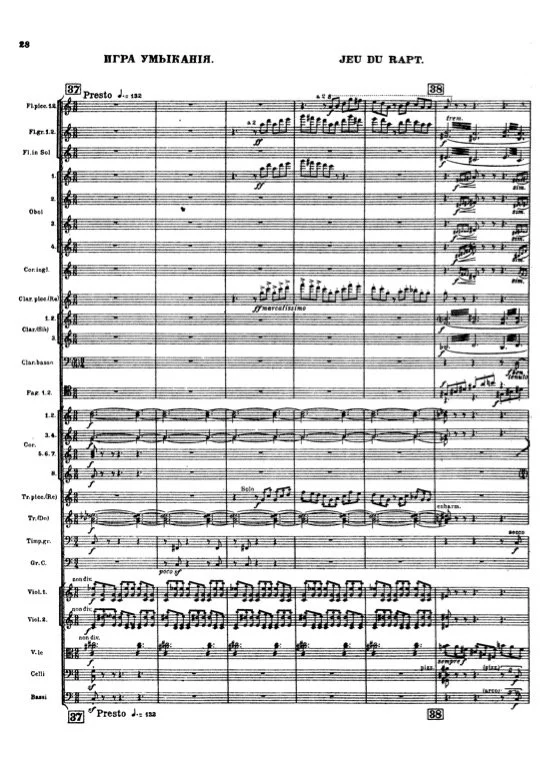
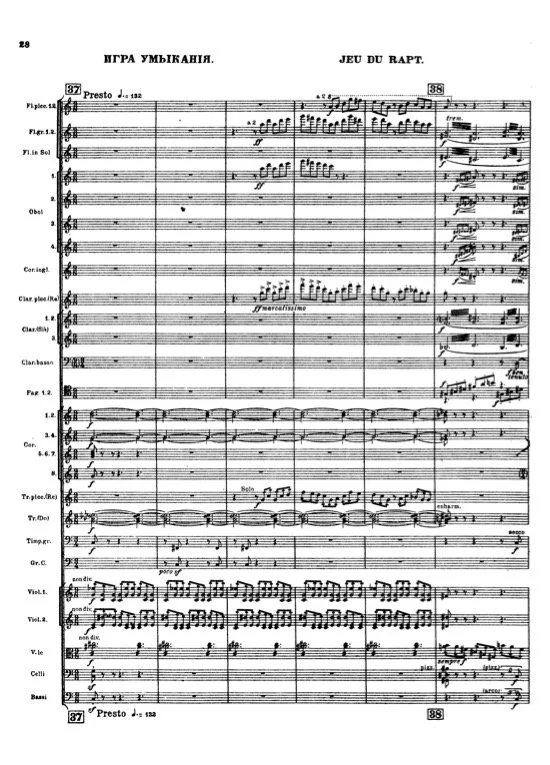
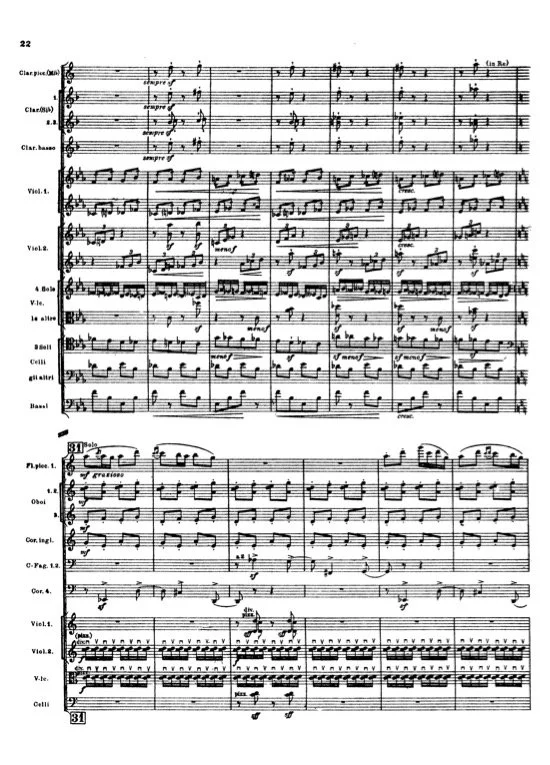
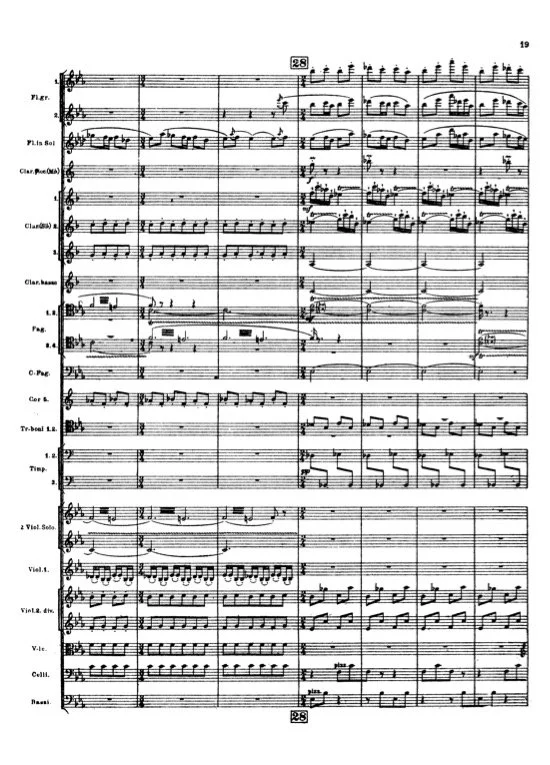
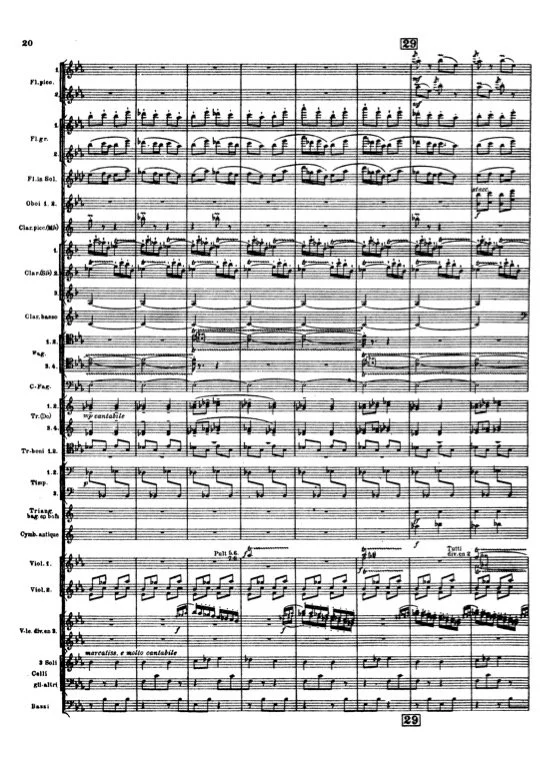
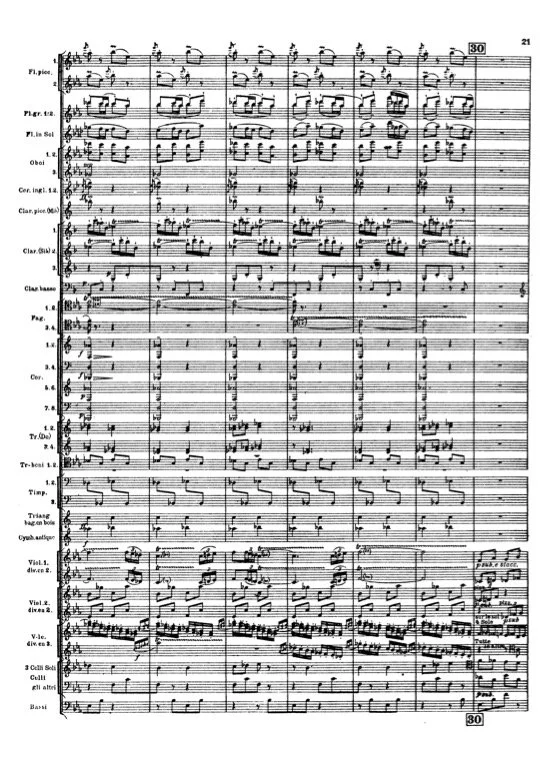
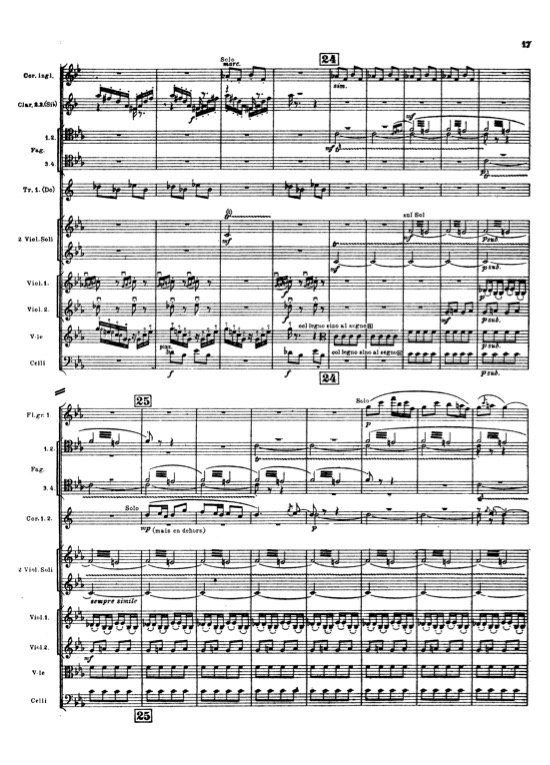
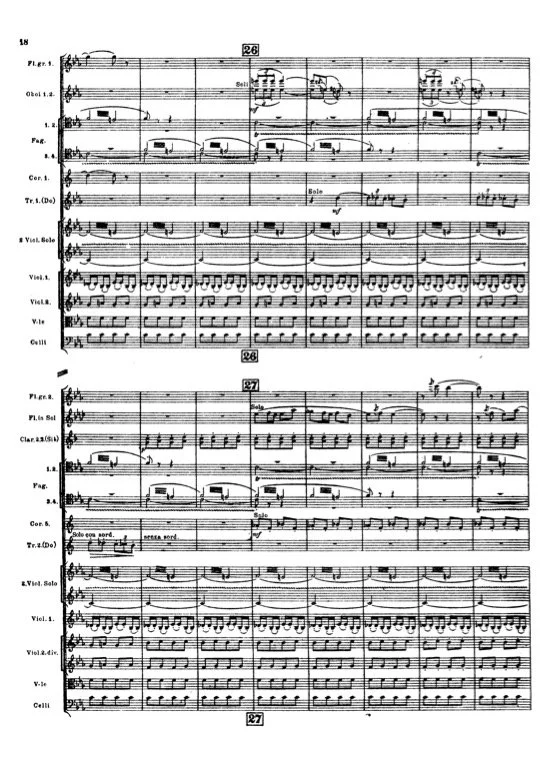
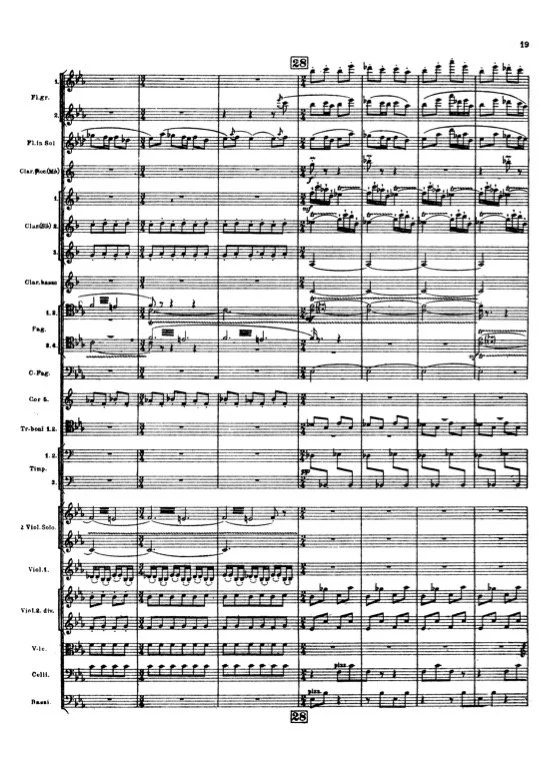
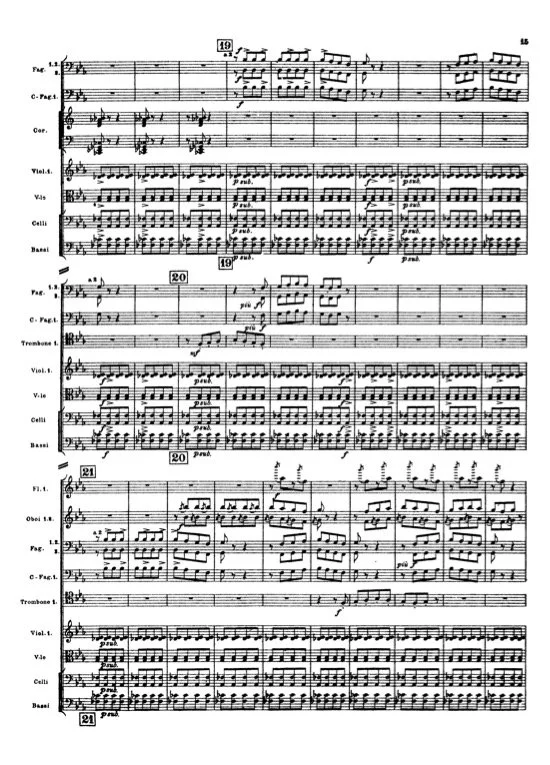
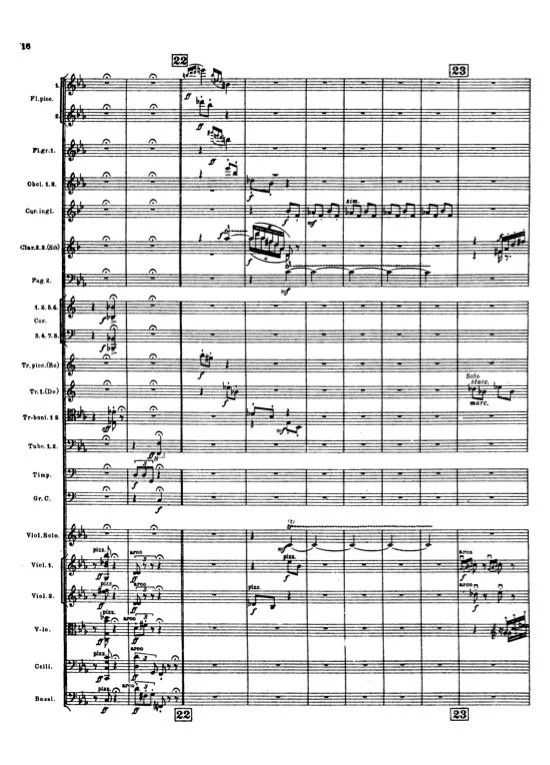
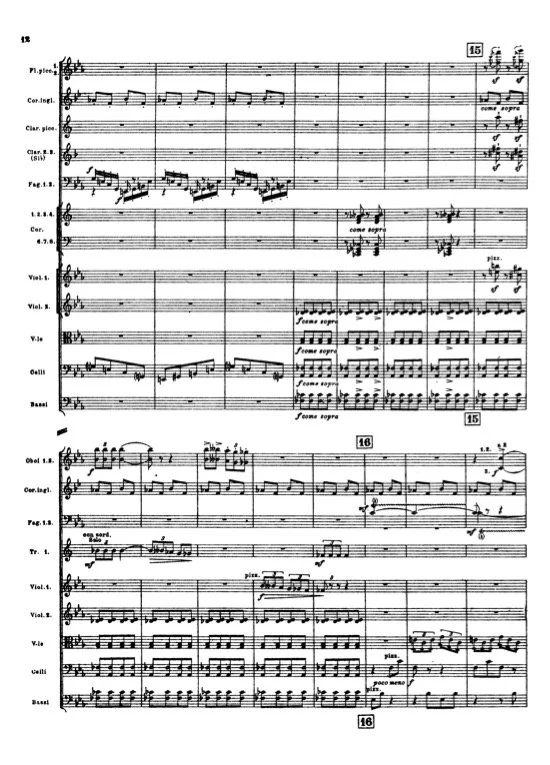
This section sounds odd. I mean, unbalanced and odd, volume-wise. The brass are just way too darned loud and they’re crushing everything else. I was imagining what I would sound like without the brass. I think there’s something interesting there.
Four French Home horns easily devour the bassoons, a contrabassoon, cello in divisi, and contrabass.
One trumpet completely engulfs the strings (violin one, violin too, and viola) oboes, and the English horns. They’re all doing roughly the same thing, but you only hear the trumpet.
Yet, one can hear the Piccolo trill, flutes, clarinet trill, and the clarinets because they’re a different design altogether.
The Ttimpani can also overwhelm other instruments. I ought to be careful of that.
Maybe the moral of the story is: use this style sparingly. Make sure it’s 100% by design. If you’re gonna use the horns and blast them, know that you’re going to bury everything else. This could be a useful thing if you want to go really big, but if you’re doing very intricate, you’re gonna have a harder time with a lot of brass.