43_JRR_20240907_0032.jpg

Blog

Posts in Dave Wirth
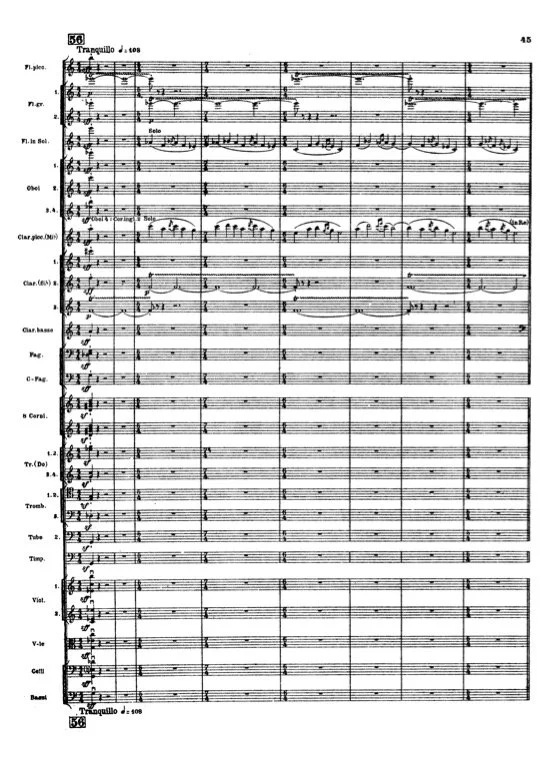
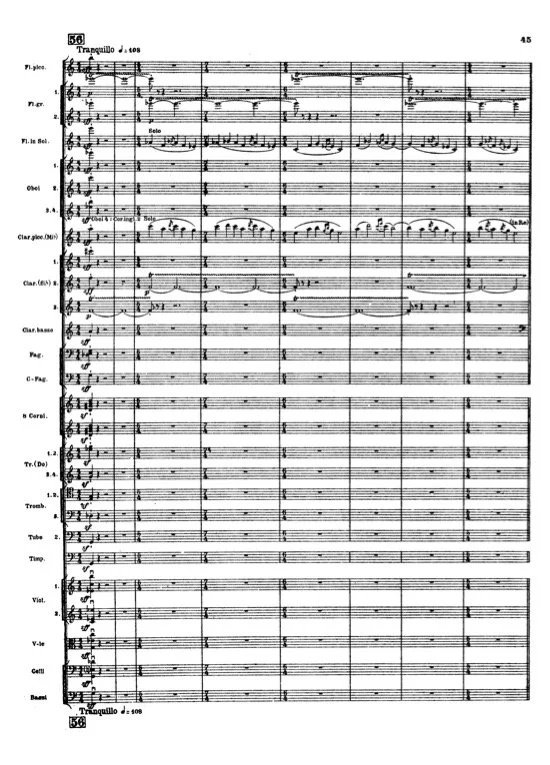
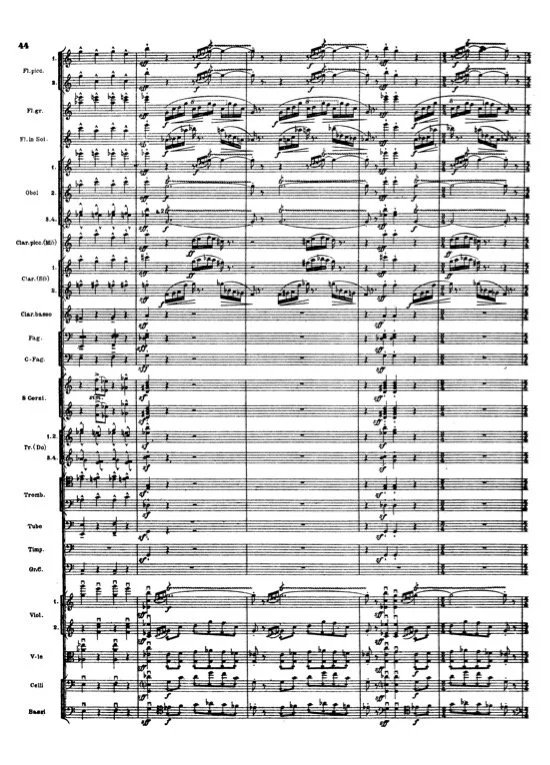
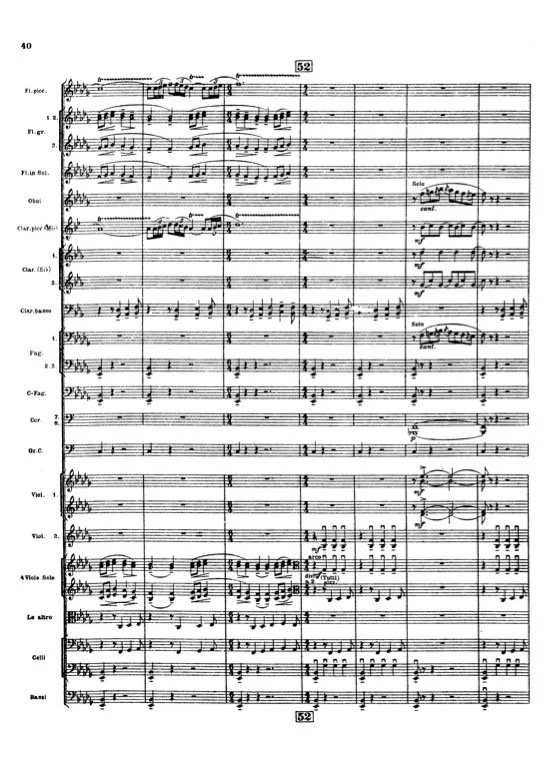
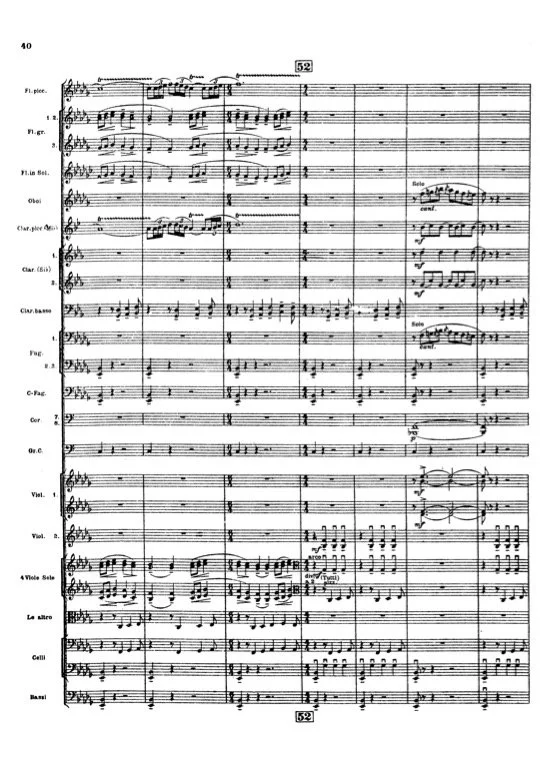
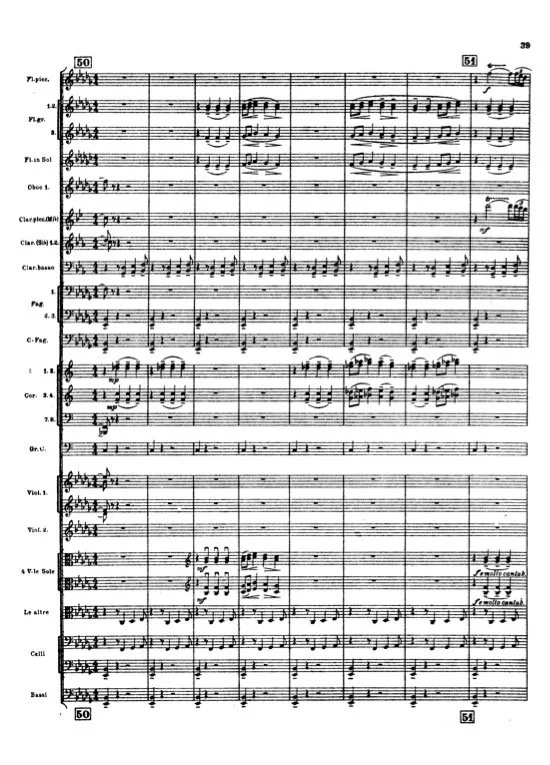
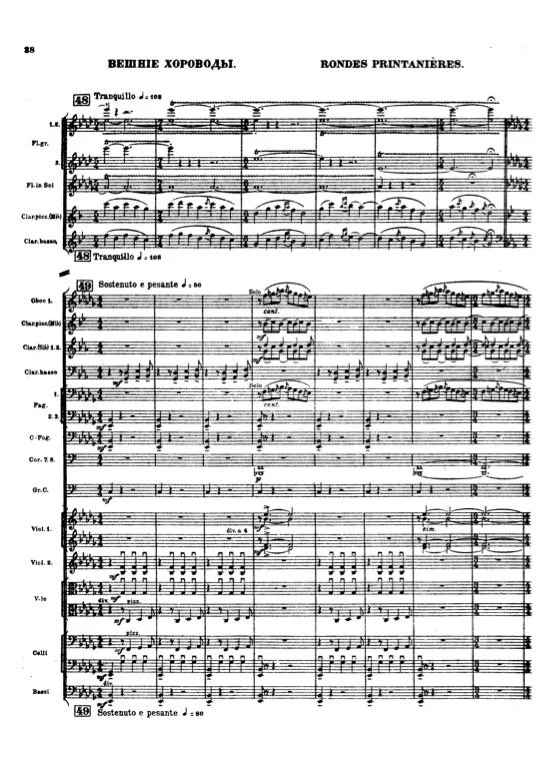
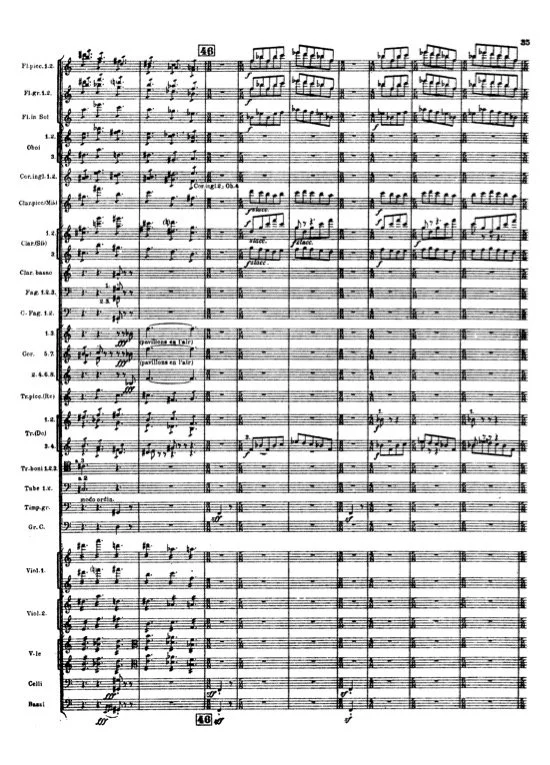
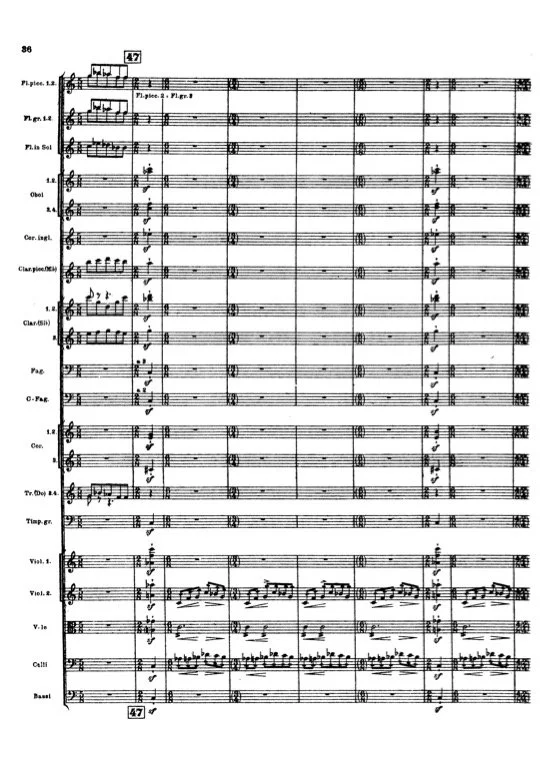
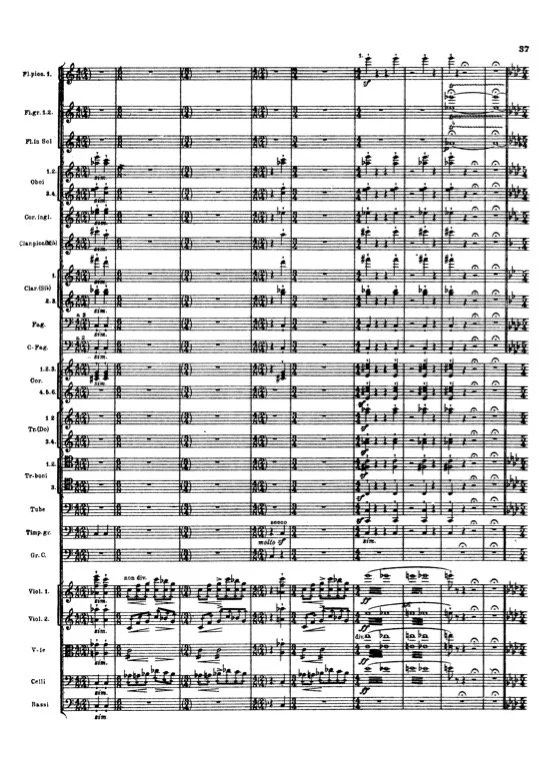
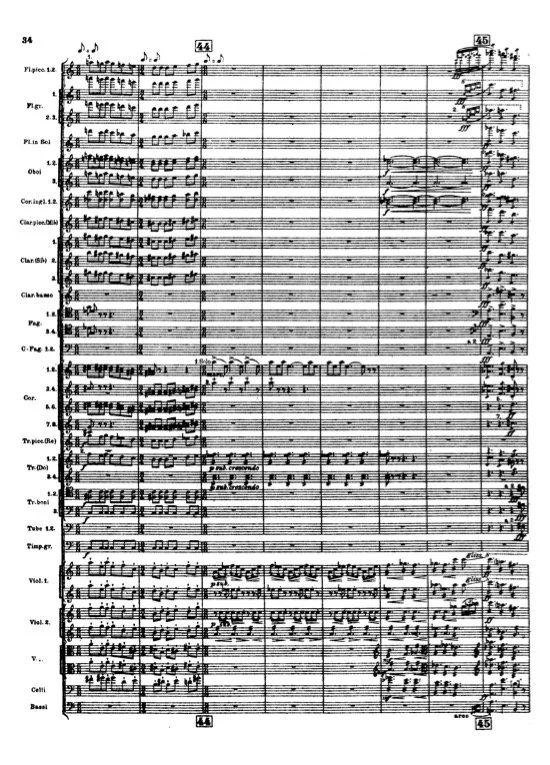
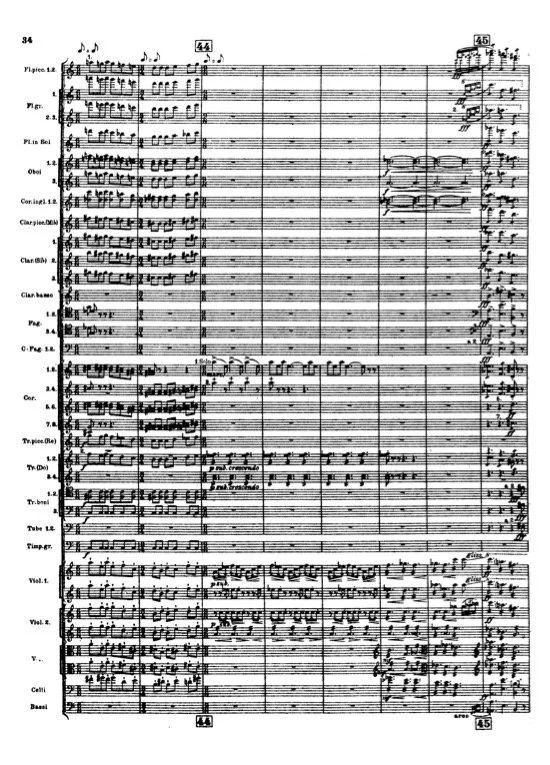
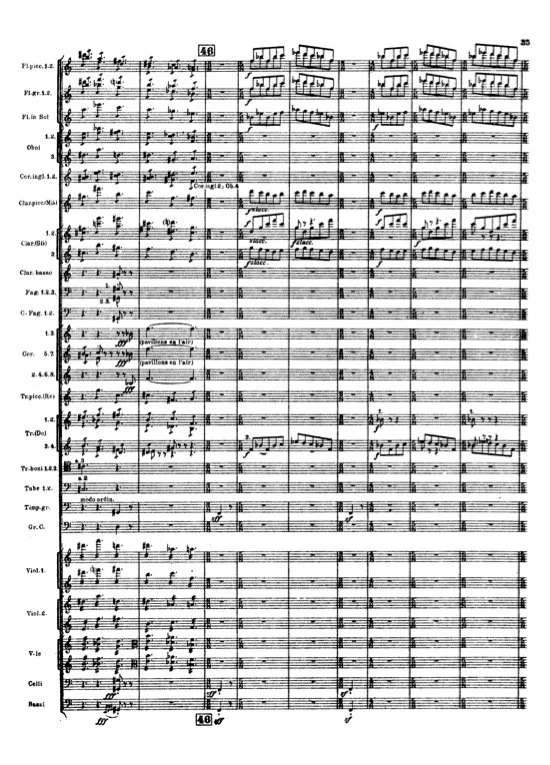
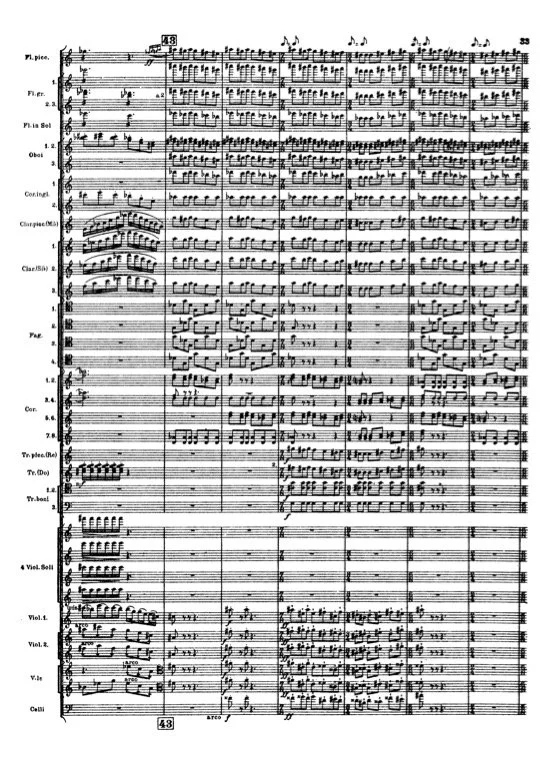
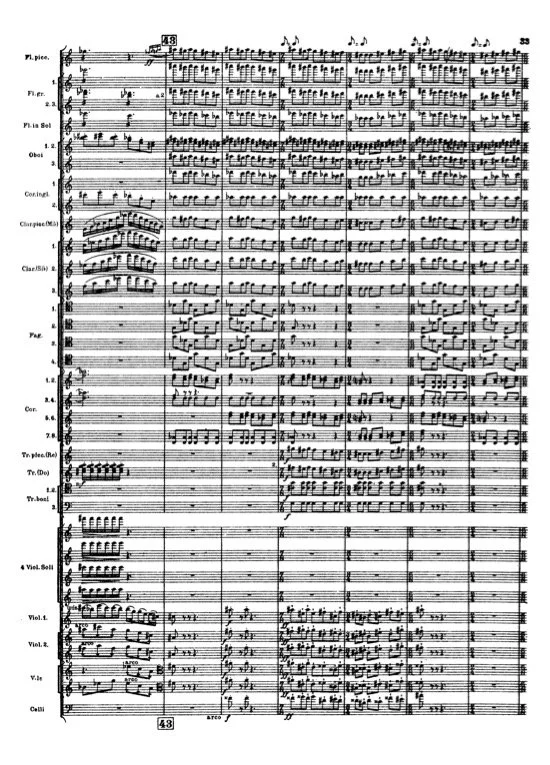
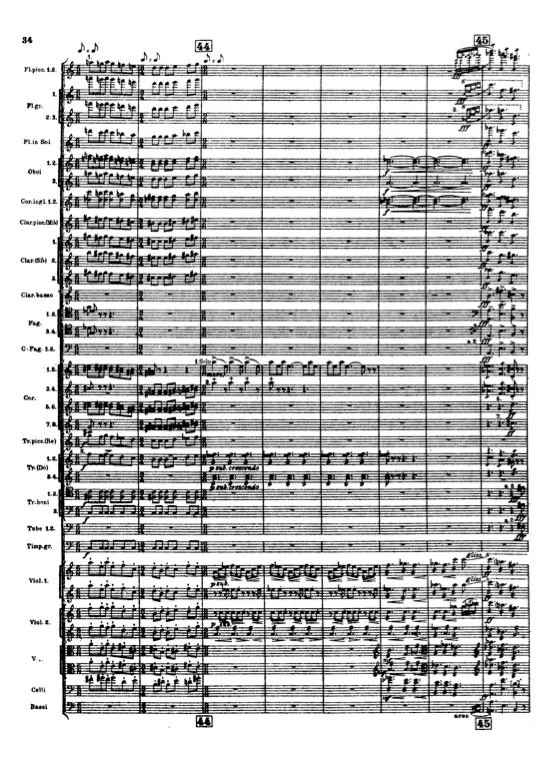
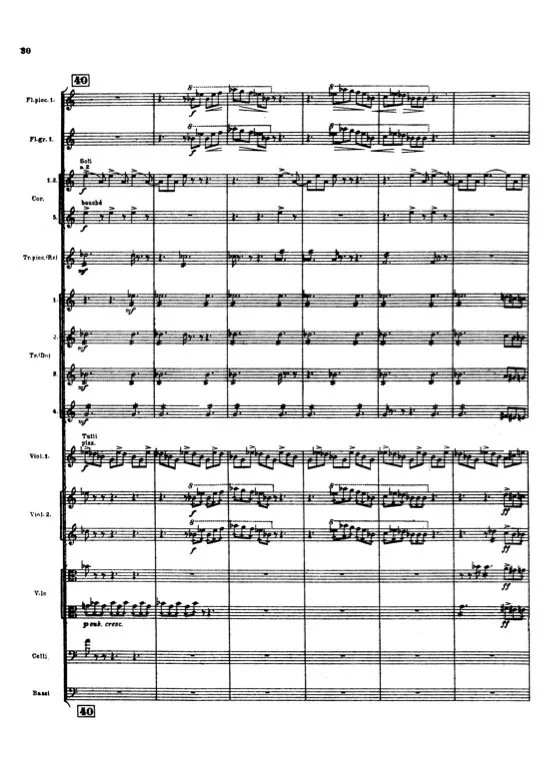
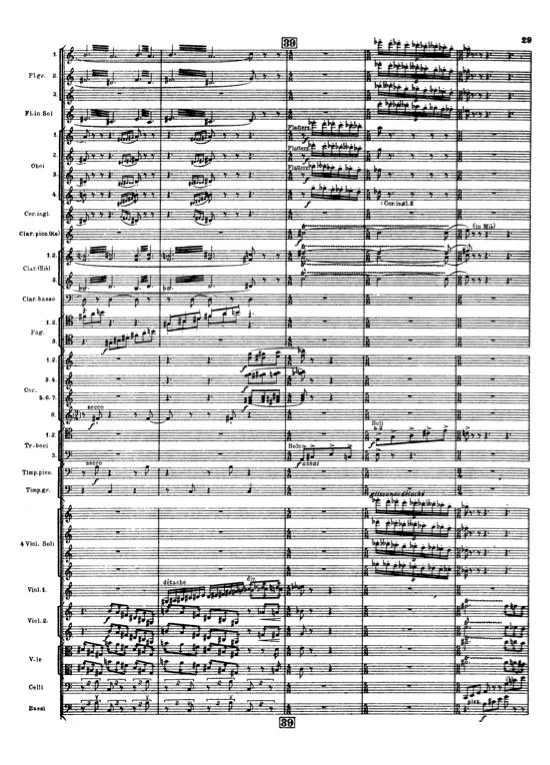
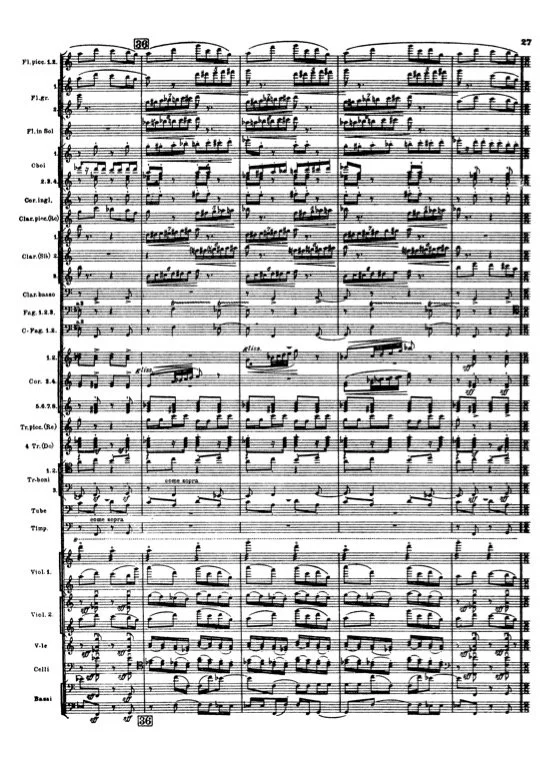
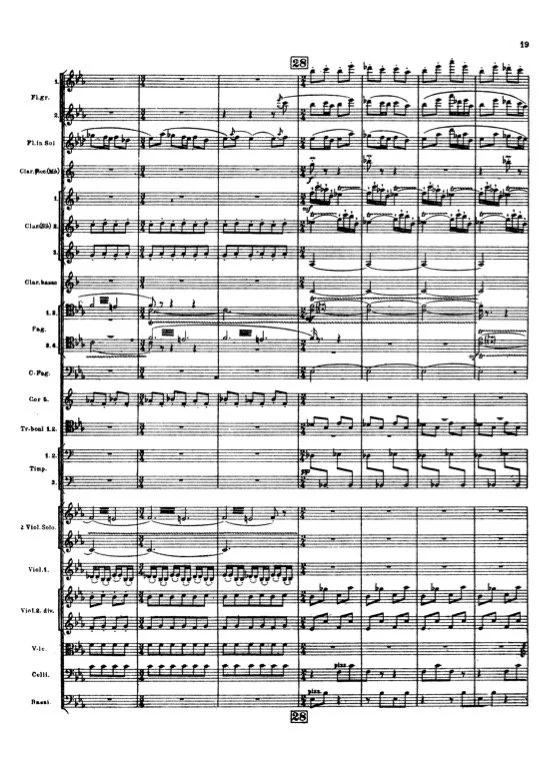
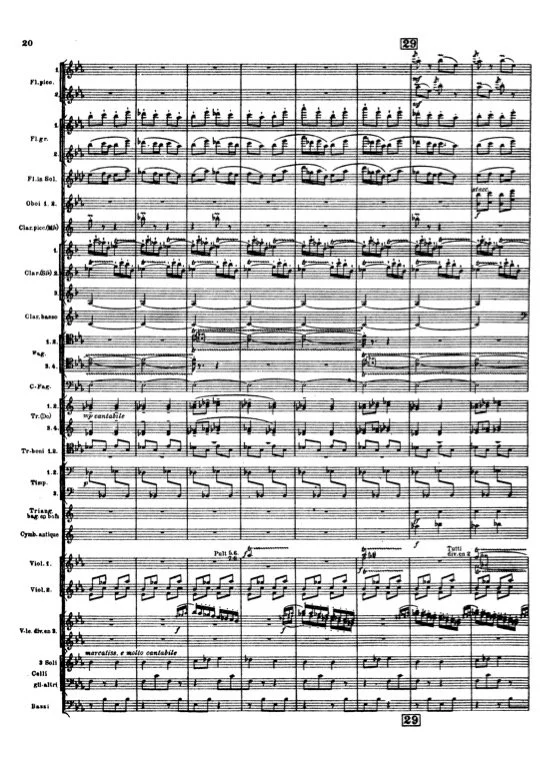
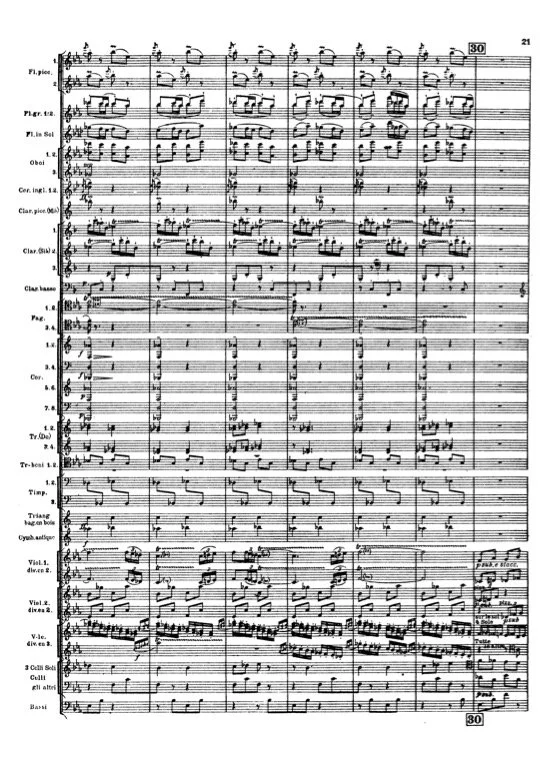
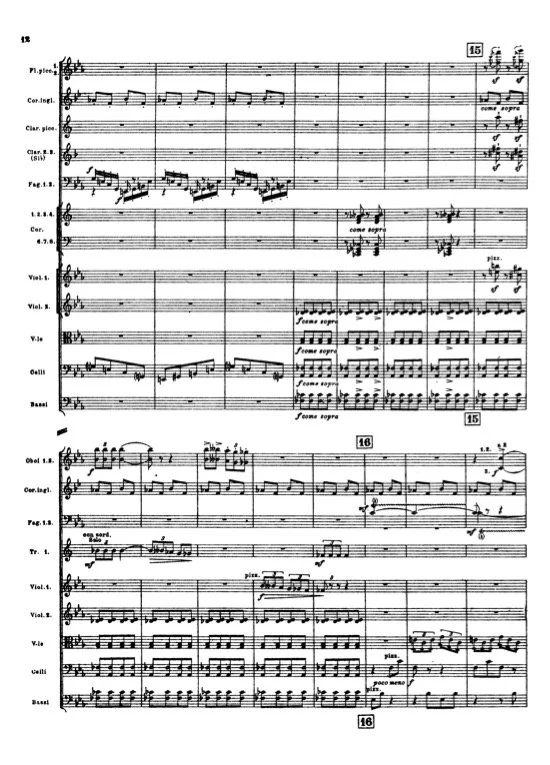
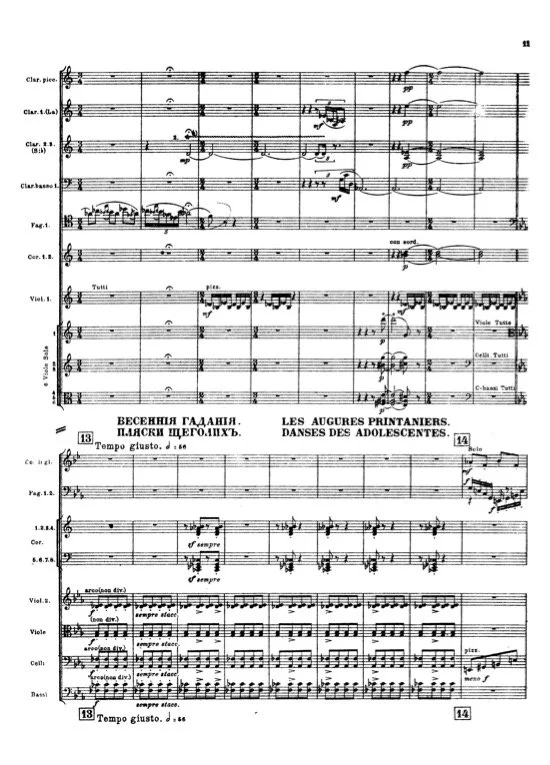
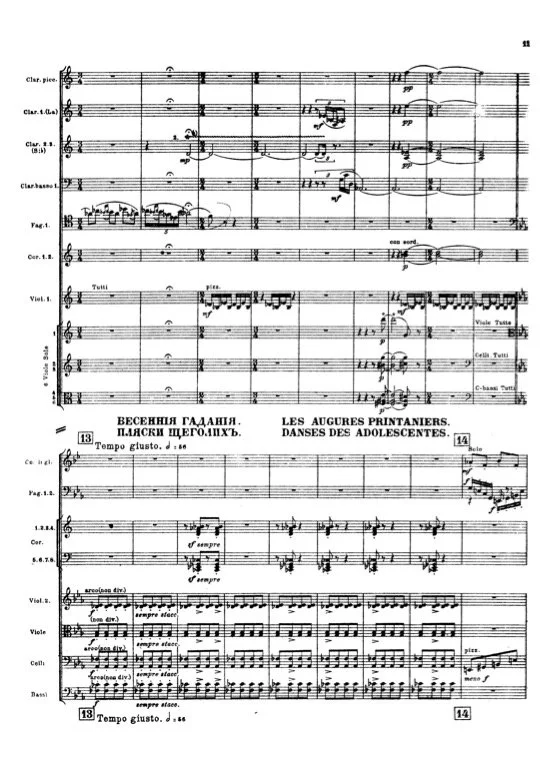
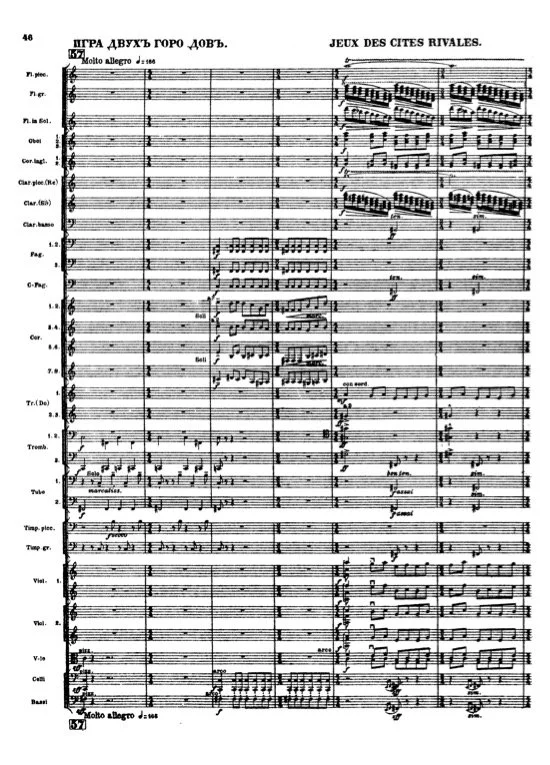
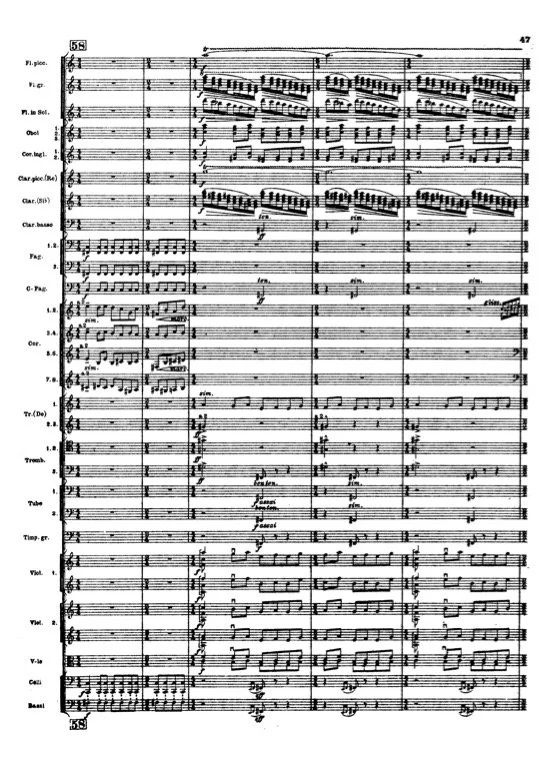
Stravinsky, The Rite of Spring, Rehearsal Numbers 9-12

Rehearsal 9

• Alto flute: fluttery, compound melodies in a warm territory
• Oboe: pops out with a solo in it’s golden range
• Added colors… clarinet in D, flute, B♭ clarinet, weird melodic textures
• Alto flute grouped in 10, flutes in 5 and 7. Really strange and fun!
How on earth anyone conducts this is beyond me. Can't hear the beat for how obfuscated it is.

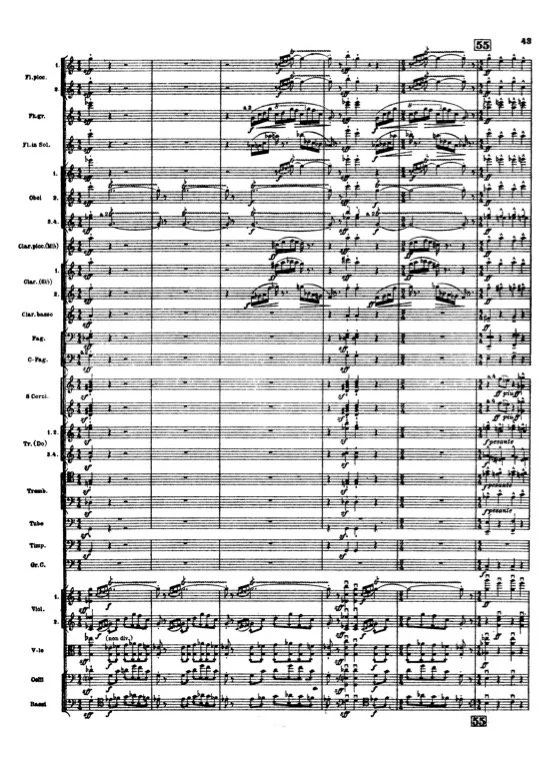
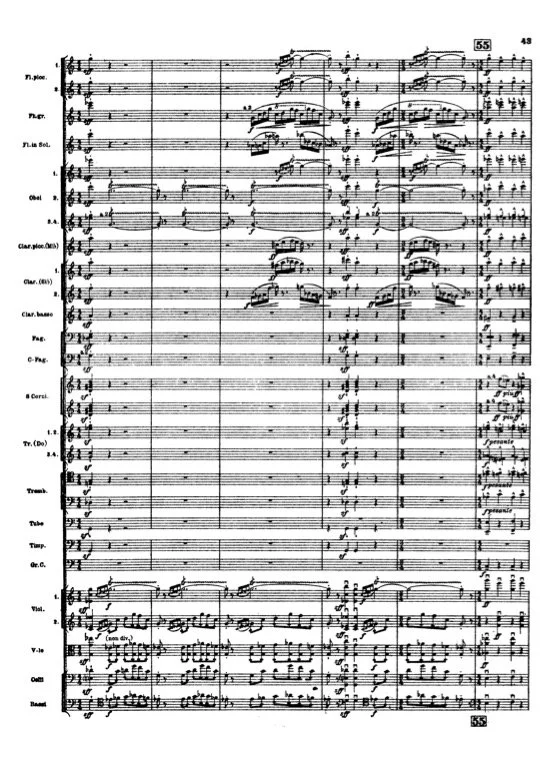
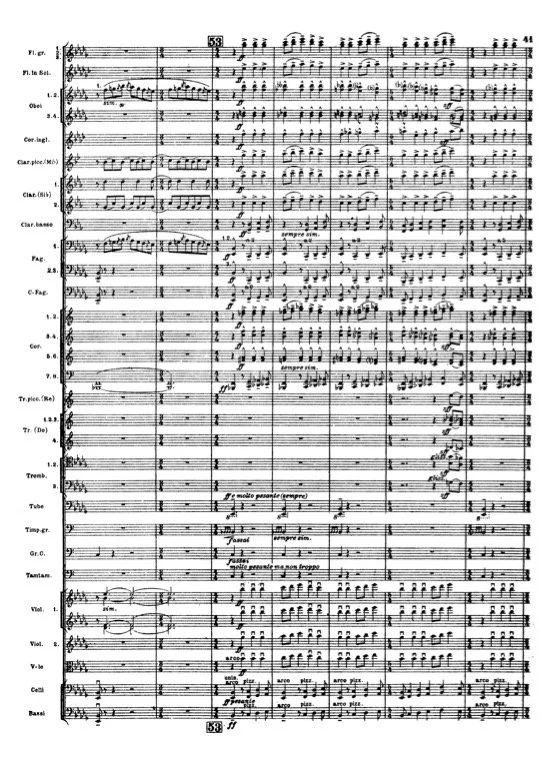
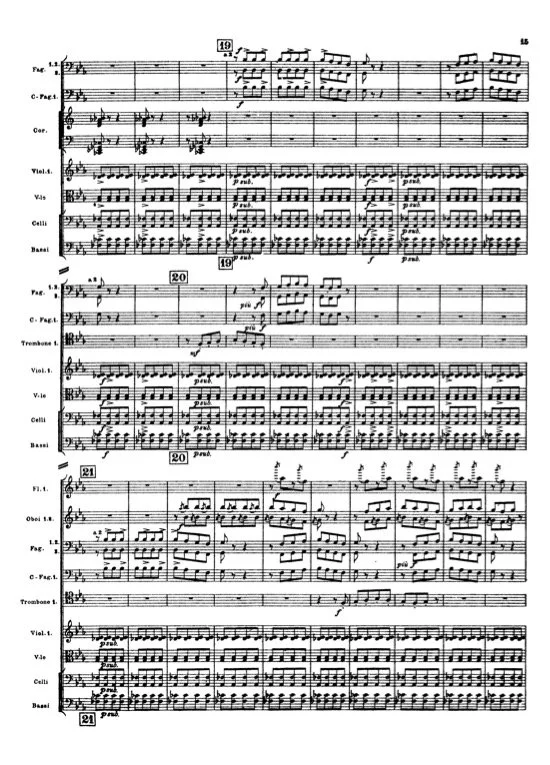
Rehearsal 10–11

• Back to a weird pulsating rhythm.
• Rhythm detail: same figure as earlier with grace-notes in the bassoons
• Contrabass is playing in these offbeat accents that read as strong beats, simply because of their register and power
• Highly polyphonic and weird…. demands strong rhythmic foundation
• Trumpets cut through; other parts form a moving wall of sound, melodically speaking.
• Strings? They’re barely audible, provide sustained bed beneath active lines
• I would love to sit in a chair right behind the conductor to hear these two sections specifically.

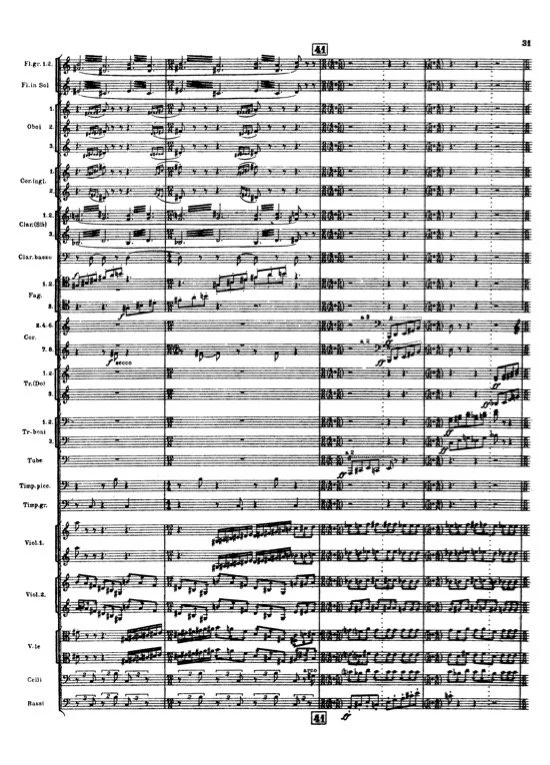
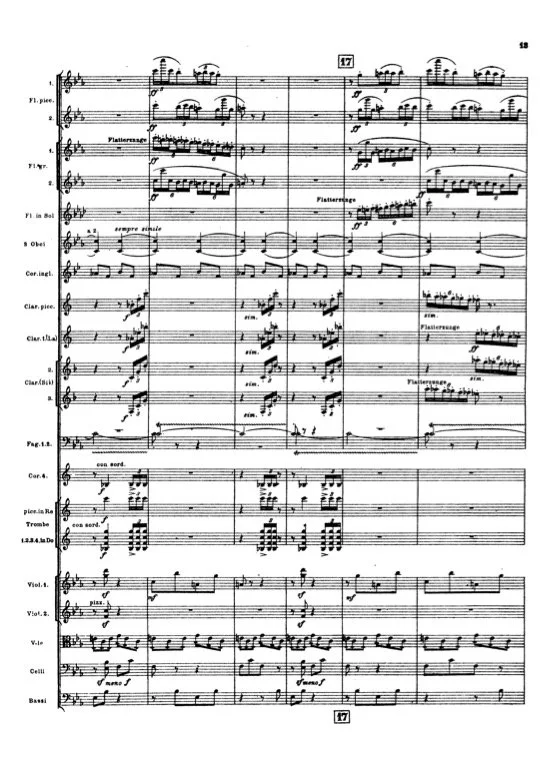
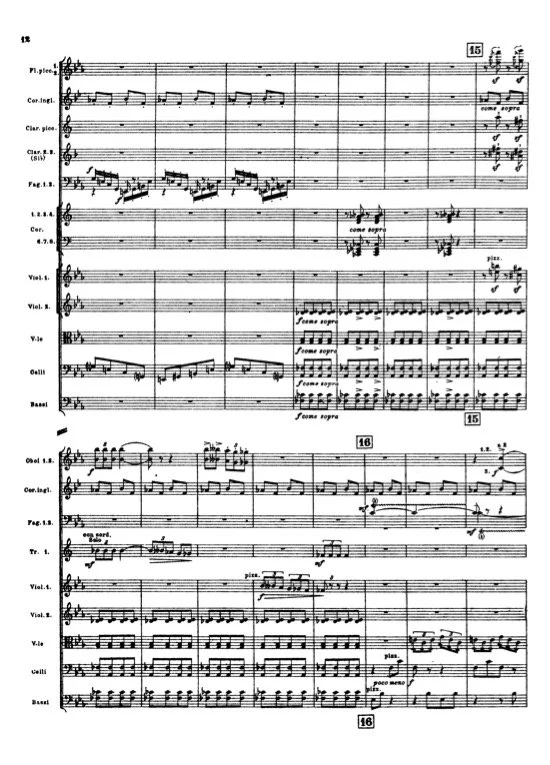
Rehearsal 12

• Reestatement of main theme from Writer Spring
• Clarinet tril in chalameau range is a "motion as sustaining sound" design.
• Beautiful contrasts. Strings entering here in a chord sounds magical compared to what he previously established with the woodwinds. Massive time based contrast with regards to timbre.

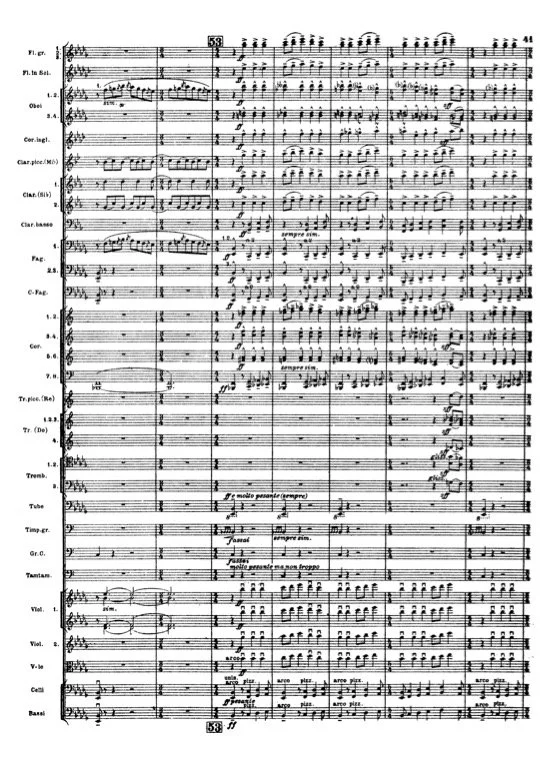
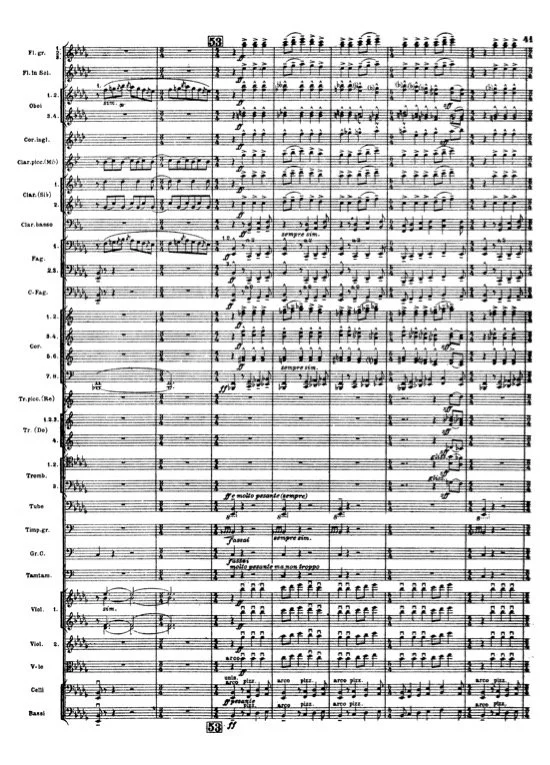
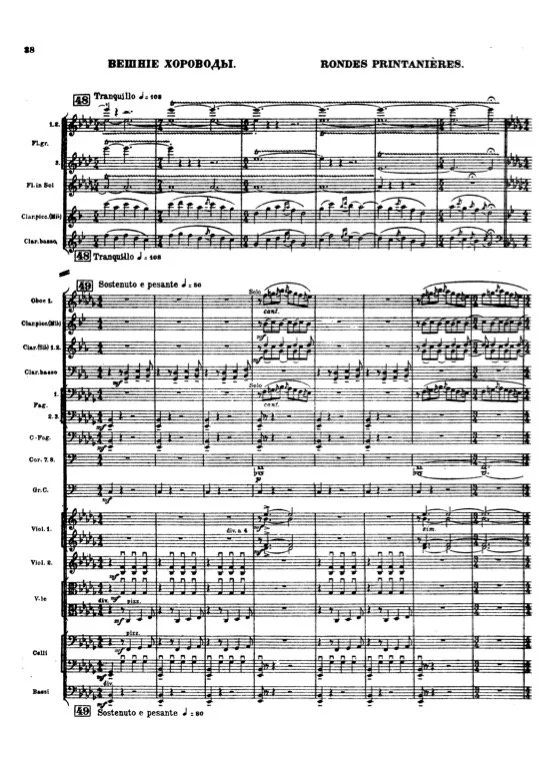
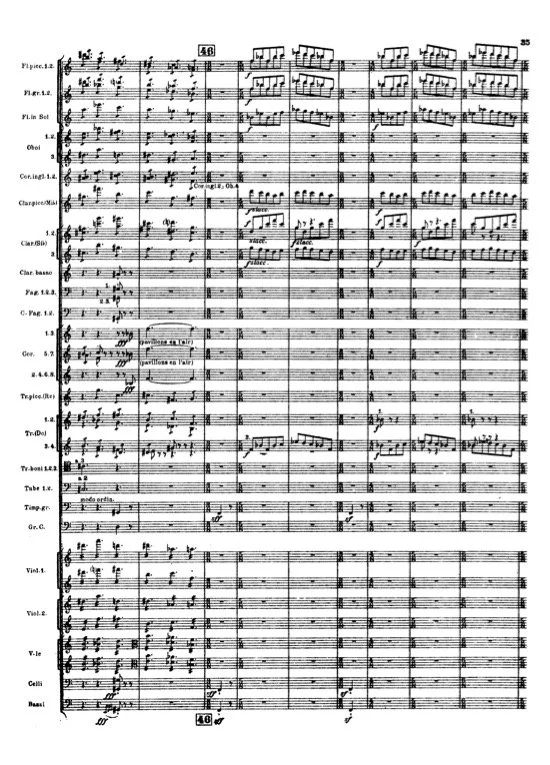
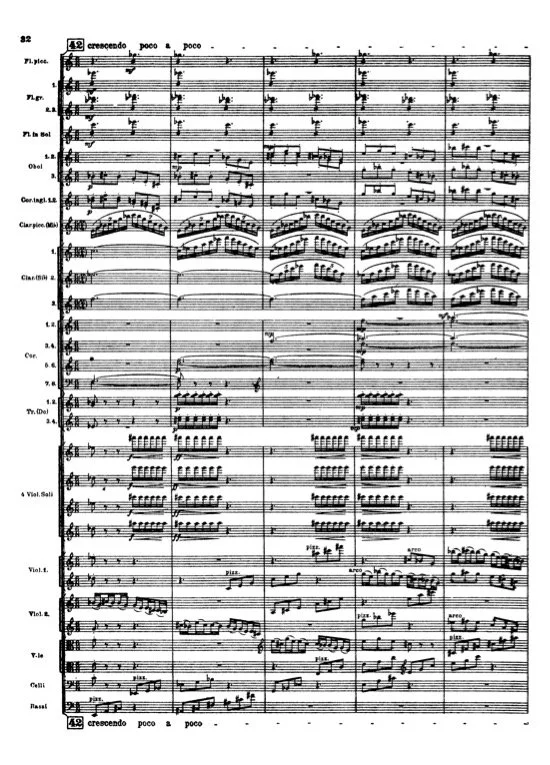
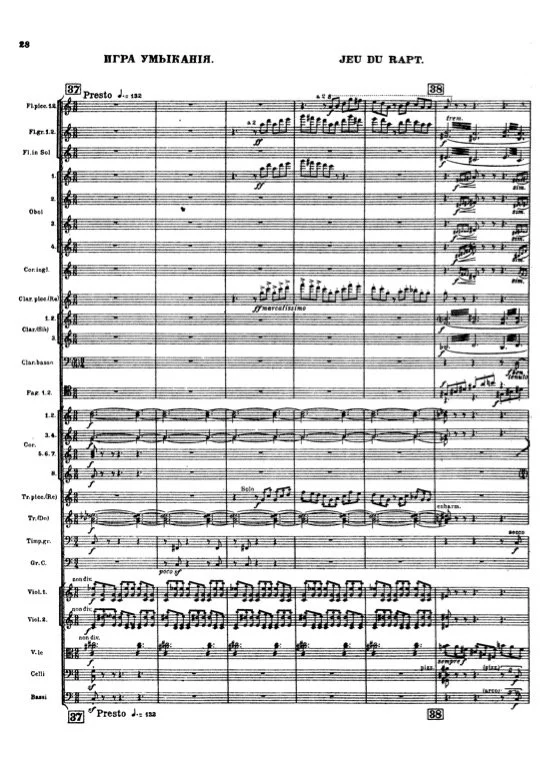
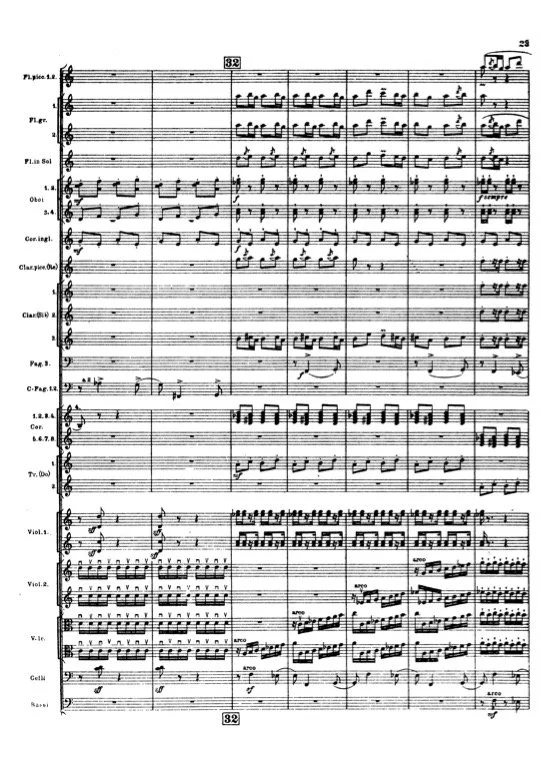
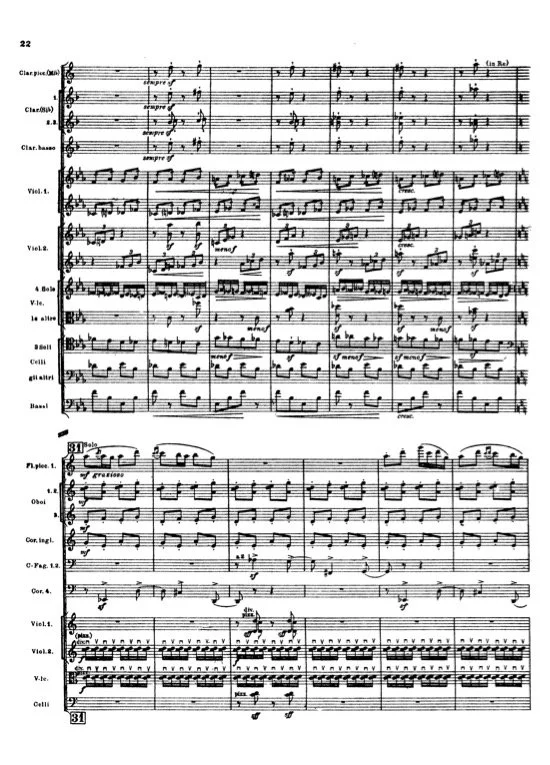
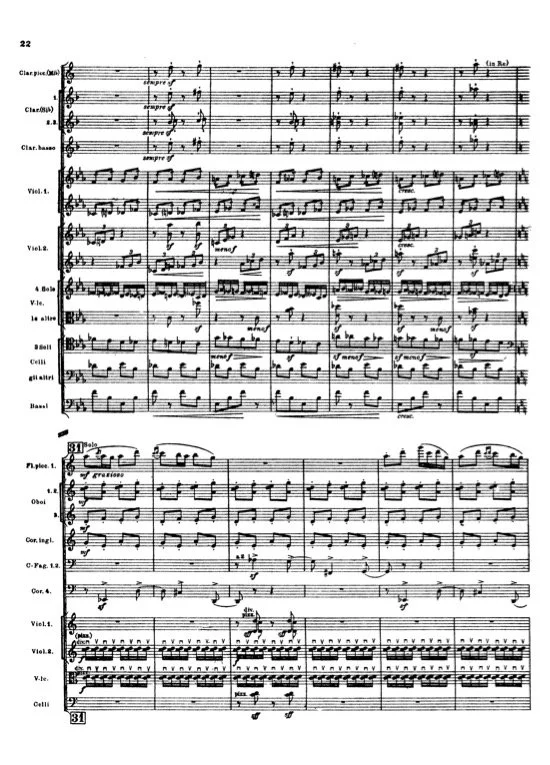
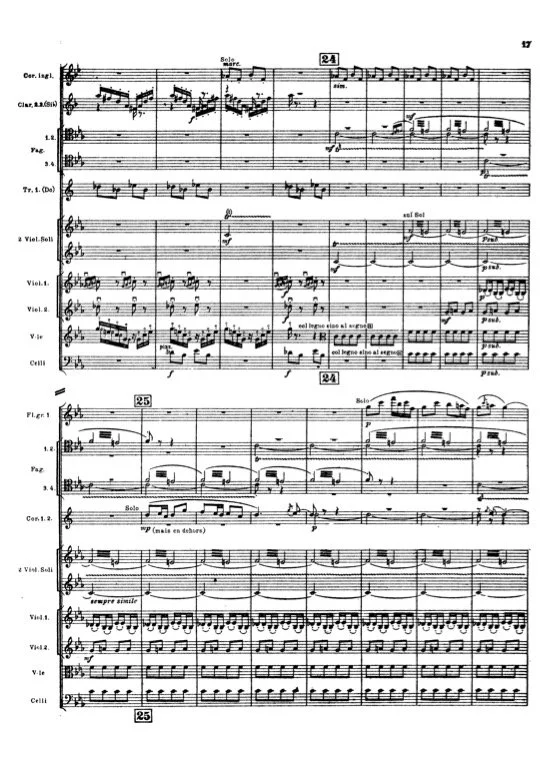
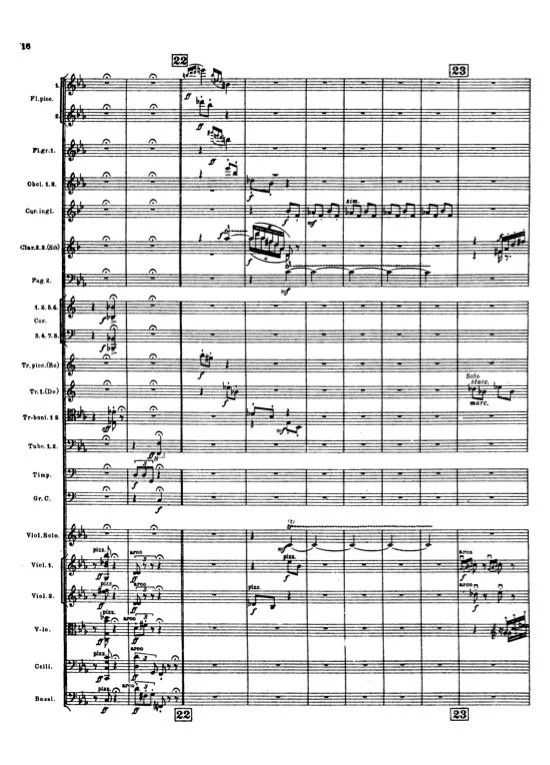
Stravinsky, The Rite of Spring, Rehearsal Numbers 7-8

Melodic layers and orchestral texture

  • The passage is highly polyphonic. It’s gorgeous.

  • Rehearsal letter 7:

    • English Horn echoes the main melody first stated in beginning of the entire ballet.

    • Clarinet in D: short downward-sloping four-note bursts in a pleasant register. Sounds sad and scary when melodies go downward like this, kindof like they are spinning downwards. Maybe that melody listened to too much Nine Inch Nails. Bah dum!

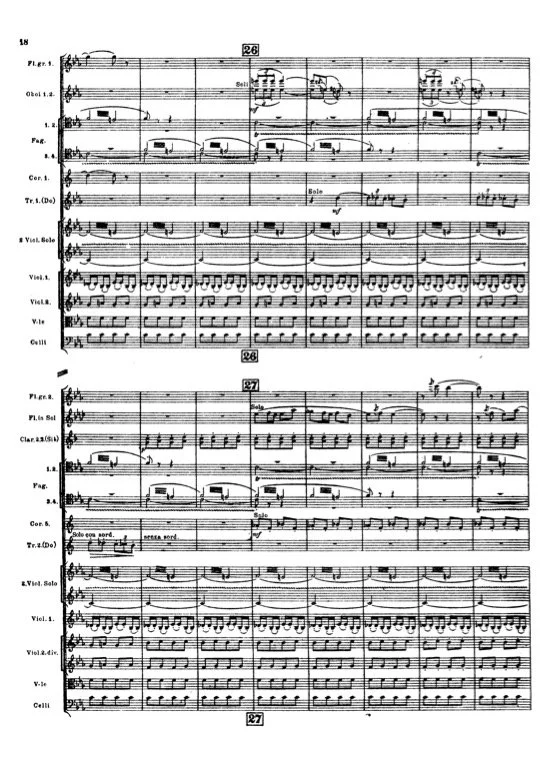
  • Rehearsal letter 8:

    • Multiple simultaneous melodies; flute takes a bright, strongly linear, acrobatic melody that jumps octaves.

    • Alto flute functions as texture but remains clearly melodic. It’s felt more than projected.

    • Clarinet piccolo in D doubles a similar line to rehersal 7, but stands out due to relative intensity vs. the flute.

  • Observations on doubling and clarity:

    • When two instruments are doing interesting melodic work at the same time (e.g., flute and clarinet piccolo in #8), contrasting registral placement and differing melodic structure (linear vs. closed and bursty fragment) help them be heard distinctly; putting the lines in very different registers increases perceptual separation.

Rhythm and articulation

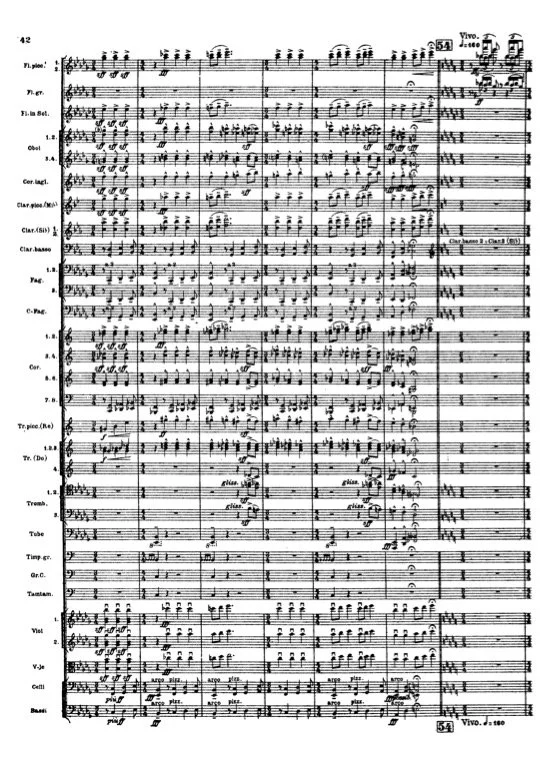
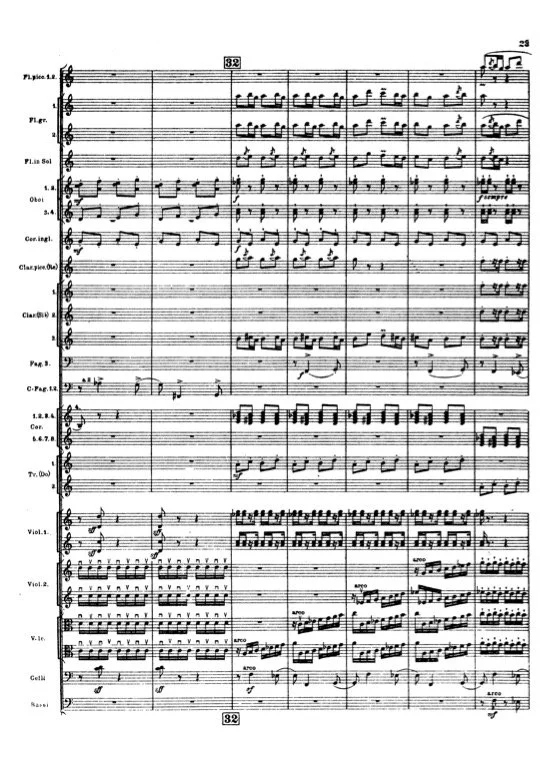
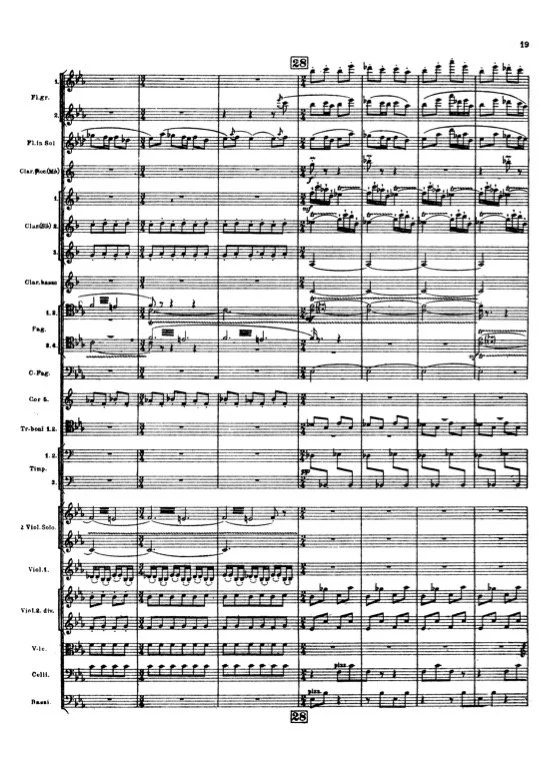
  • Stravinsky achieves a highly unsettling rhythmic effect with relatively little material between rehearsal letters 7–8.

  • Cello solo: plays Pizzicato on the offbeat, creating displacement against the pulse.

  • Bass clarinet: strongly linear rhythmic ostinato with frequent grace notes.

  • Clarinets (two in A): rich territory, doubled writing with many grace notes.

  • In rehearsal letter 8 the bassoons take over the rhythm role in roughly the same manner as the clarinet and bass clarinet had in rehersal number 7.

  • Also at rehersal 8 the clarinet in A shifts from unison doubling toward more blend of differentiated motion. This is a nice trick I’m going to remember.

Sustained sonorities and harmonic color

  • Rehearsal letter 7:

    • Alto flute provides a warm sustained color on strong beats.

    • French horn sustains a concert D5, contributing a warm “golden” territory.

    • “Elbow” (likely an instrument/line labeled in the score) trails as a sustaining motion in the same warm register.

  • Rehearsal letter 8:

    • Contrabass soloist sustains a mellow B♭2 as an anchoring sound.

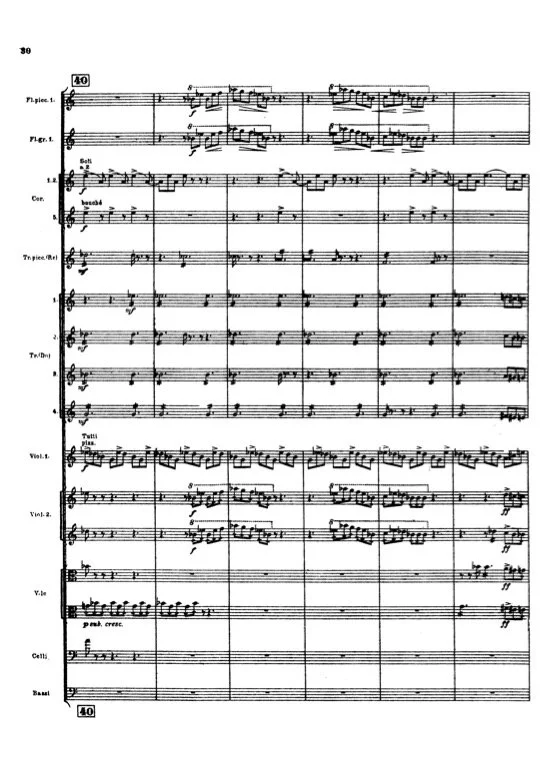
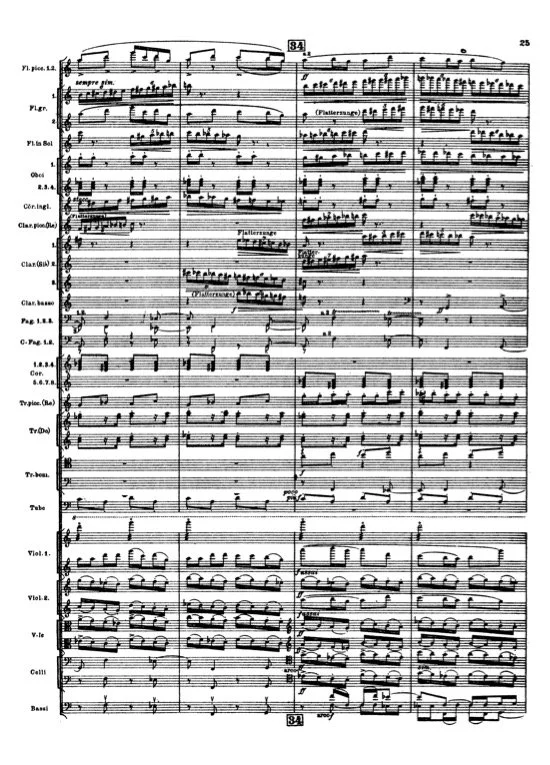
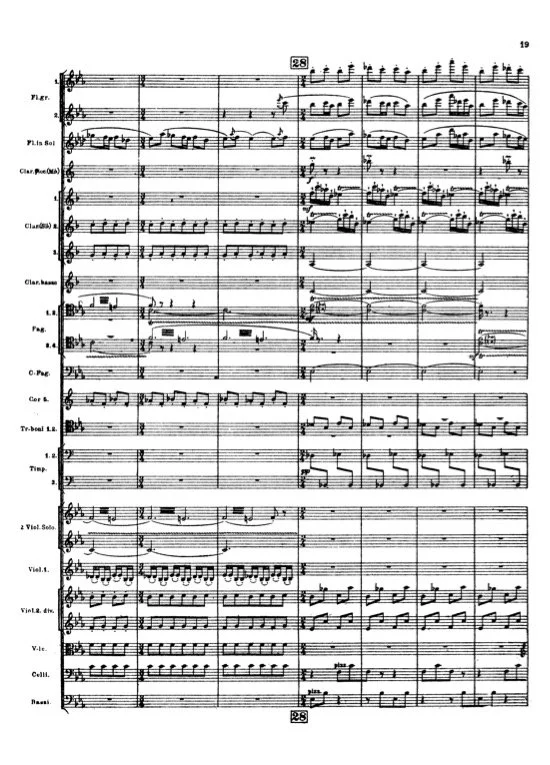
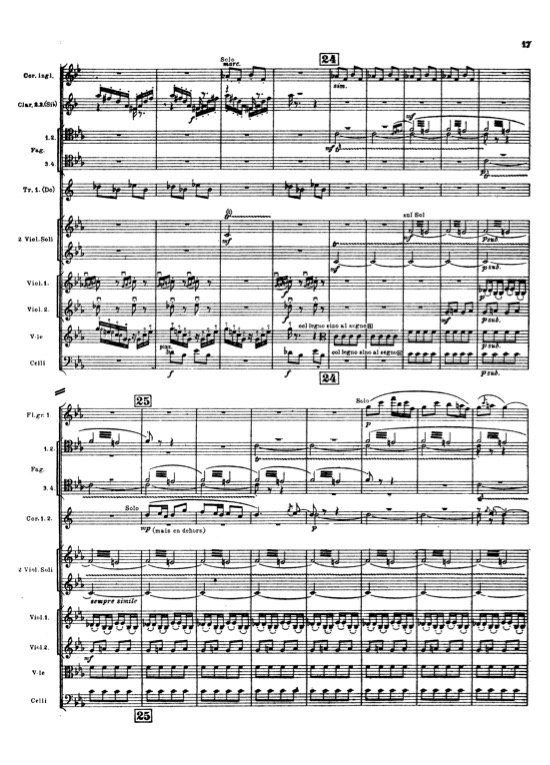
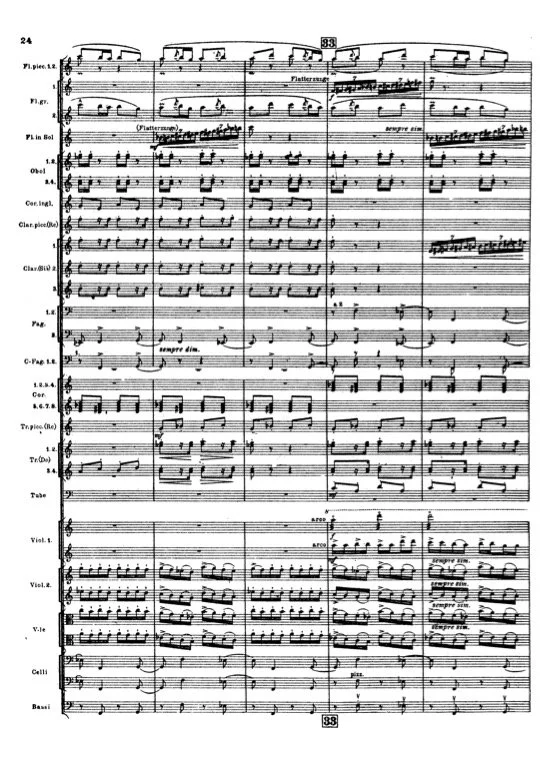
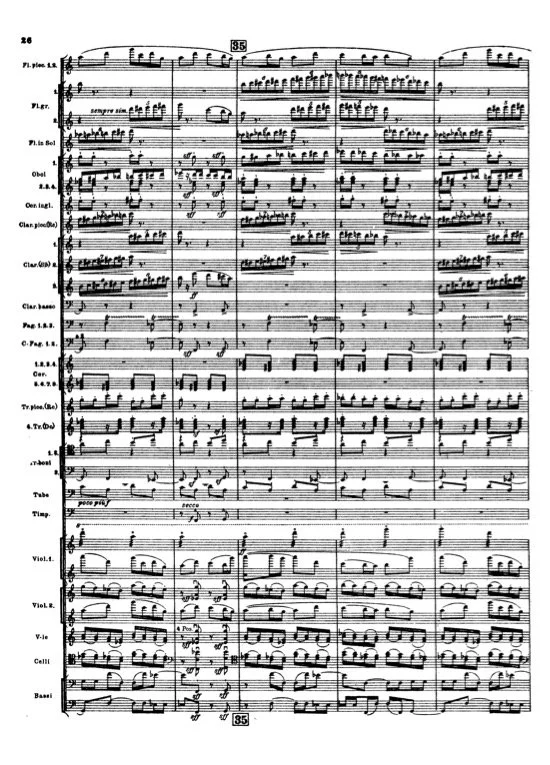
Stravinsky, The Rite of Spring, Rehearsal Numbers 5-7
  1. The amount of fluttering polythematic design here makes for a very dissonant but entirely interesting sound.

    • I can barely hear the sustained French Horns (which are squarely in their most mellow sonority), the flutes (trilling about in their pleasant color tone range).

    • The only sustained sound I can hear is the violin trills that are just barely inside their most pleasant register.

  2. Notice the switch in timbre between the oboe (fairly sharp and brash sounding) to the cor anglais (fiarly round and darker).

    • Love how that these two parts are played fairly close to each other in terms of relative intensity, but the idea is that their tonal colors would be both roughly “golden.”

  3. The last part of this section has a chromatically planed major triad split between the second flute (rich territory), an alto flute (warm territory), and the cor anglais (glowing). The color of these three combined with the first flute in it’s pleasant territory as any melody of any choir ought to be with this design, stands out.

    • The triad sounds incredibly dissonant and again throws Fux and Gradus Ad Parnassum completely away.

    • The violin trill in a pleasant range is a nice color contrast to the extraordinarily colorful woodwind figure.

    • The violin trill also provides a simultaneous contrast of free form rhythm (the trill) when paired with the more measured rhythm of the chromatically planed triad and melody.

Stravinsky, The Rite of Spring, Rehearsal Numbers 3-5
  1. Further down the firm denial of Fux’s Gradus Ad Parnassum: Notice the bassoons doing a well-designed dove-tail in perfect 4ths. Mad.

  2. The English Horn seems to be spinning around itself, like a kid on a merry go round

  3. In each section, I’m beginning to see the dovetailing of each instrument. Strong move: Keeps the sound of an instrument limited by breath present without having to kill a woodwind player outright (or watching him/her go blue in the face)

Stravinsky, The Rite of Spring, Rehearsal Numbers 0-2
  1. A thought when it comes to unaccompanied solos: Feel not afraid to use fermatas.

    • Unaccompanied bassoon melody high up in it’s range. In the hands of a novice bassoonist, this melody would no doubt sound quite squeaky.

    • Interesting to note that the height of the melody in it’s range was specifically chosen for the bassoon. Ravel might’ve looked at this and said, “why not English Horn?”

    • Contrast of the bassoon in this range to the french horn, clarinet in A, Eb, and the bass clarinet. Harsh woodwind has the melody, soft woodwinds have the polyphonic countermelodies.

  2. Notice that contrary motion doesn’t exist. Firm denial of Fux and Gradus Ad Parnassum.

  3. English horn provides a little relief for the bassoonist.

Stravinsky, The Rite of Spring, Compositional Overview, Live Blogging Experiment

Just about every serious composer looks with awe and drea at The Rite of Spring, and I include myself in this category. My teacher in college, the wonderful Carol Hess, introduced The Rite of Spring to us hapless, hopeful undergrads. I was mystified by it’s power, uncompromising intensity, and set an intention to study it more seriously… one day.

Compositional Outlook of The Rite of Spring

What follows is a brief overview of the compositional outlook by Stravinsky in The Rite of Spring.

  • Stravinsky tended to melodically and harmonically structure the Rite in three ways:

    • Shorter, more lyrical melodies in general (3-4 note patterns) with heavy rhythmic and melodic variation.

    • Employing boistrous, explosive, and rhythmic designs for the orchestra, at times overwhelming the listener with the depth of power.

    • Getting dark with his harmonic vocabulary towards the latter half of the Rite.

  • Stravinsky loved changing time signatures. Any casual glance at the score will show how he loved shaking the meter of the music all up. He pretty much liberated himself from the historical constraints of rhythm.

  • Polyphony. He used the hell out of it.

  • Polytonality. He often wrote melodies in one key, harmonies/rhythmic accompaniments in another. Yet, there was always a sort of consistency. It sounded dissonant sometimes. Altogether, the dissonance is quite pleasing.

  • Melodies established in earliest parts of the Rite have a tendency to resurface, thus creating a melodic through-line that binds parts together. I love doing this in my film scores, and it was a joy to see that Stravinsky hadn’t completely abandoned this practice.

  • As far as orchestrations go, Stravinsky loved really weird instruments in the woodwinds. He would often change the timbre of each section, but by focusing on the woodwinds.

    • There’s a school of thought that asserts that woodwinds can be broken down into two basic groups: Soft woodwinds (flute and clarinet) and harsh woodwinds (oboe and bassoon).

    • Stravinsky made full use of the auxillery woodwinds and changed up the sound from one part to the next.

Compositional Live-Blog

I don’t know exactly whether or not I will keep doing this, but I have a mind to share my own thoughts as I work my way through the Rie of Spring. I tend to go section by section, until I finish my analysis.

I won’t commit to finishing this publically, but who knows. I might just do that. I’ll start here.

The Nightmare Machine

Reading Notes

7-9 Minute Read | Laptop or Tablet Recommended

Topics and Themes

A behind the scenes look at the making of the ultimate horror-film foley device: The Nightmare Machine.

Affiliate Note

When you make a purchase through links found on this site, we may earn commissions from Amazon, Perfect Circuit, and other retailers.

I would describe my Uncle Ambo (not his real name, “uncle” is an honorific title) as simultaneously the most intimidating and most loving person I've ever met in my life.

Ambo strikes a figure. He has a long Gandolf-style beard that reaches clear down past his chest. His yard is full of garden beds and BBQ equipment. I've never met anyone with so many tools. Routers, drills, presses, planers, joiners, you name it, he's got it. And he’s prepared for the end of the world. If there’s a zombie apocalypse, I’m going to Ambo’s house, first thing.

I've known Ambo for many years. We met because we ran in the same circle of people. At first, I thought he was the biggest dick. He was incredibly rude and brash to me the first time we met. I kept my distance for a good three years. Of course, I was friendly, but still, I gave him a wide berth.

As it turns out, Ambo only respects people who challenge him. It wasn't until I seriously dug into him, made fun of, and got really in his face in an incredibly aggressive way that he opened up. Not too much longer after that would I come to discover how deeply he cared about everyone and their well-being. If he saw someone about to get hurt, I have little doubt that he would step in and do the right thing, even if it messed him up. There’s stories there, but you’ll have to ask him about it.

Nonetheless, I mean it when I say it: Uncle Ambo is simultaneously the most intimidating and most loving person I've ever met.

I was blessed to live close to Uncle Ambo during the pandemic. Although the pandemic made things incredibly tough in so many ways, I was able to convince Ambo to hang out. He smoked a pipe. I smoked a cigar. We didn’t cough in each other’s faces. It worked.

The conversations always flowed. Ambo is probably the smartest man I've ever met. The amount of knowledge he has about building, construction, carpentry, woodworking, cooking, and lyrics to random b-sides from the 1940-1990 absolutely infuriates me. It’s annoying as shit!

But I do know about guitars. Naturally, Ambo and I bonded over them. We would share interesting videos of weird guitars we’d find. He recently sent me a guitar of Pat Methany's that made my back hurt just looking at it. It had about 50 strings, and looked about as many pounds of weight. Sometimes I’d find weird instruments and send them to him. We’d talk about pickups, the style of guitar body and the sound. We’d send interesting amplifier ideas back and forth. At one point, I believe that Ambo was the one who found the Apprehension Engine.

I can't imagine anything more frightening in a film than for there to be silence, and all of a sudden a single sound from the Apprehension Engine, at just the right moment. That video impressed both of us. After weeks of conversations, I think I finally got the courage to ask him if he might be interested in creating one for me. I told him he could have creative autonomy if he wanted it. I told him it just had to be scary as fuck. He agreed. We ended up calling it The Nightmare Machine.

Neither of us had no idea what we was getting into.

Protoyping the Nightmare Machine

Ambo loves to build prototypes of everything he wants to create more of. He calls them “jigs.” He did this with his cigar box guitars, of which he's created damned near three dozen of by this point. It wasn’t a stretch to make a prototype Nightmare Machine out of a cigar box. This is what he created.

I used this prototype Nightmare Machine on the soundtrack for Fetch, an indie short horror film directed by Heather Halstead. I dare say it sounded vicious and intense:

The Nightmare Machine Build, In Photos

As time marched on and the pandemic ended, we could all resume our lives without anymore interruptions. It took another couple of years before Ambo decided to try to build the actual Nightmare Machine. We were smoking on his back porch with his two rottweilers barking away, and he said, "It's time for me to built it."

Now we’re talking!

Ambo agreed to send me as many photos as he could remember to send. I received this one from him, showing the skeleton of the machine:

He added some more parts to the machine, including some grill metal he found for super cheap:

He began spraypainting the Nightmare Machine a dark, blood red, for obvious reasons:

Because Ambo has more than a decade of experience working with cigar box guitars, he began to create the circuitry and wiring for the machine in the metal grills. The switches look great with the red circles:

Here he is adding the guitar neck (further away) and the hurdy gurdy neck (closer). Notice how beefy the hurdy gurdy neck is:

I have no idea why Ambo signed up for this. I mean, looking at the wiring in the back of the engine gave me an headache. How the hell does he keep this shit in his head? As time marched on, more and more switches, plates, and finishing details went on the machine:

He even found three tiny music boxes and installed them on the top of the machine. I gotta say, that sounds as creepy as all get-out:

The spring reverb is powered by an analog spring driver by Bulinski Effect Pedals. I have to say that after trying out dozens and dozen of spring reverbs on well-known amplifier brands, none of them could come even close to the beautiful sound of the spring reverb Jim installed and this Bulinski spring driver:

Ambo added rulers to the front of the Nightmare Machine. Pressing them down creates an intensely creepy sound:

More wiring. More mind-blowing:

As time marched on, Ambo began to work on the most intense part of the machine, the Hurdy Gurdy wheel. We learned that we needed to adequately coat the hurdy gurdy wheel with rosin, cover the string in cotton, and only use cello strings to make the hurdy gurgy come alive. This was our first test:

Finished Build: The Bumper Warranty

Eventually, with the finishing touches done, Ambo said, "Take this fucking thing home. I'm tired of working on it. BTW, you have a bumper warranty."

"What's that?"

"Once I no longer see your bumper, your warranty is up."

I gingerly put the Nightmare Machine in my car, closed the trunk, and waved goodbye.

Right before leaving he said, "Be careful, there's people out there."

"There's always people out there."

Set up in my living room, this thing looked like a honking piece of gnarly intensity:

When I finally plugged it in, I couldn’t believe it. It sounded exactly as I imagined it would:

Conclusion

It thrills me that I had the balls, years ago, to aggressively make fun of Ambo to his face. Had I not given him that push, I don’t think we would have ever become close enough to collaborate on this machine.

It surprises me to this day exactly how full the world is of creative characters like him. I barely scratched the surface of his immense creativity in so many areas of life. His willingness to help build this Nightmare Machine, and allow me to tag along to document it, has boggled me. I obviously owe him a lot of coin for doing this. And hilariously enough, he doesn't mind that I owe him (for now). After all, he said, "I'd rather have you owe me than for you to cheat me out of it later."

Uncomposed, by Dave Wirth

Part of the joy of Eurorack synthesizers comes from their melodic generative algorithms. AfterLater Pachinko, a clone of the epic Mutable Marbles module, serves as a random chance machine, allowing musicians to set the guidelines for melodic construction. In other words, I specify the notes I want, the range I desire, and the rhythm I envision.

From there, Pachinko goes to work and creates music.

The resulting music often has a scientific feel to it. Music created as a byproduct of exploration can sometimes come off as clinical and unemotional. It wasn't until I began mastering this work that I realized one of the reasons I love exploring Eurorack so much is that much of my musical life outside this medium focuses on evoking the emotional heartstrings of listeners. This is a common aim for film composers, and for some, it can feel like emotional blackmail.

Nonetheless, this quick little album offers surprisingly fun moments. I found that the music works best when you're looking for something detached, unemotional, and not vying for your attention.

Finding Solace (Original Motion Picture Soundtrack)

When director Maurice Moore and I started to talk about the music for Finding Solace, Maurice posed a significant challenge that I totally accepted: Craft music that could exist independently of the film itself. In essence, I accepted the task to compose a score that would resonate on its own, without the help of the visual and narrative context provided by the film. It was a mighty challenge, and I hope I rose to it.

To achieve the goal, I felt strongly that I needed to delve into the archives of America’s rich cinematic legacy. Throughout the history of film as an artistic medium, the orchestra has served as the primary instrument for creating iconic and memorable film scores. The emotional breadth and range offered by the orchestra surpasses that of any other musical tool available to film composers, and it was clear to me that Finding Solace required that sound.

Finding Solace skirts a line in contemporary independent filmmaking that’s rarely dared: It’s an ingenious mashup of Crash and Seven. There’s outright moments of intense syncronicity that follow with deeply intense horror. It was clear that I had to do music that at least attempted to bridge the two distinctive narrative genres while ensuring a cohesive melodic through-line in the film. If I succeeded or not, that’s certainly a good question! In the end, the score employs orchestra, piano, and an immensely reverberated guitar to express a profoundly tragic family drama, while chilling orchestral effects coalesce to establish an atmosphere filled with tension, darkness, and an overwhelming sense of harrowing intensity.

I had to go for broke with this movie. It needed music that matched the audacity of the story. If I wanted to rise to the challenge Maurice Moore threw at me, I had to go big or go home. The outcome is approximately 65 minutes of richly layered orchestral music. I hope you enjoy.

The Place She Dwells (Original Motion Picture Soundtrack)

The Place She Dwells is a full-length feature film from Motivate Pictures, starring Sarah Niarkos and directed by Maurice Moore.

In the film, Rachel (Sarah Niarkos) suffers deep trauma after a horrific event tears her life apart. Refusing to go outside, she depends upon the efforts of Detective Pierce (Maurice Moore) to solve the crime that served as the catalyst of her distress and assure her future well-being. The lines between illusion and reality begin to blur as Rachael battles with her demons, home alone, while all those who occasionally visit don't have a clue how to help.

The Place She Dwells is a cunningly well-executed indie-thriller that demonstrates the dark depths we sometimes go to, even if we don't have a clue as to how to climb out of it. While this film looks squarely and soberly at the personal effects of trauma, it ultimately showcases the resiliance of the human spirit in times of immense duress and adversity.

Maurice Moore and Dave Wirth worked closely together on the music for The Place She Dwells. Equal parts layered Eurorack synthsizer sound design and felt piano with strings, the soundtrack plays to Sarah Niarkos' gutsy, deep performance as a woman who routinely tries to escape the immense grief and terror that threatens to swallow her.

Synthesizer Sketches 2021

In 2021, I purchased my first Eurorack synthesizer. The obsession with the quality of analog sound took hold very quickly. This album of sketches and tests came directly from experimenting with the synthesizers on the Eurorack. I doubt I'll ever buy another digital synth plugin again...

Become a subscriber to my Bandcamp and get this album along with more than 30 others

****


Album cover is a public domain photograph of the flutist John Finn, ca 1923. The original is located here: www.loc.gov/resource/musdcmphot.a0169.0

Movie Screening Tonight at AFS Cinema in Austin, 6:30pm! (8-12-21)

Deja Vu, a film shot during the first lockdown of the 2020 coronavirus pandemic, will be screened on August 12th at 6:30pm at AFS Cinema, 6406 N I-35, Suite 3100, Austin, TX.

Motivate Pictures CEO/Producer Maurice Moore (Austin, TX) and Writer/Director Alex Rios (Barcelona, Spain) risked the unknown to shoot Deja Vu.

Maurice Moore: “Alex showed up in Austin the day that the world’s borders closed. Literally, that day. He was stuck here until we didn't know when. He came over to DP a feature film that I was set to direct that was canceled literally the day he arrived in the states. Because we were in lockdown, we needed a creative outlet. I challenged Alex and myself to come up with an idea that would work in this lockdown world and Deja Vu was the brainchild of Alex.”

After Deja Vu wrapped production, the next challenge was getting Alex Rios back home. Mau- rice Moore: “Because travel was suspended, it was impossible to know when Alex could fly back to Barcelona. After several attempts to book flights over the course of six weeks, ultimately Alex was able to secure a flight back to Barcelona with an exciting and eerie film in the can.”

In the film Deja Vu, it’s not safe to go outside because an anomaly is making people disappear once they leave their homes. Erik (Maurice Moore) and Grey (Olivia Whitney) are plunged head- first into an intense series of events trying to untangle the mystery. Ultimately, Deja Vu is a touching and emotional story of familial love and devotion in the height of a scary situation.

Maurice Moore is excited to showcase Deja Vu and other works: “I’m a stronger more focused artist because COVID19 challenged me emotionally and creatively. Now I’m excited to show that creativity to the world.”

Deja Vu will be screened along with with several other exciting Motivate Pictures projects on August 12th at AFS Cinema.


  • AFS Cinema is located at 6406 N I-35, Suite 3100, Austin, TX

  • The screening starts at 6:30pm.

  • Seating for the screening is extremely limited due to COVID19 safety concerns but is free to attend

  • Motivate Pictures is an African-American owned film and multi-media company that prides itself on its diversity and creating engaging and dynamic stories

  • For more information on Deja Vu go to HTTP://MOTIVATE.PICTURES/


Listen to the Soundtrack Here:

Fetch (Original Motion Picture Soundtrack)

Fetch is the story of a woman who walks into the woods to find her disappeared friend only to meet the Fae, the creatures who guard the wilderness. Fetch was written and directed by Heather Halstead in cooperation with Motivate Pictures., and stars Dana Wing Lau.
The original score for Fetch takes the perspective of a mythical adversary: The fae. It features live-recorded piano, voice, kalimba, big drums, and most notable, a cigar box guitar. Heather Halstead, the director of this film, also came into the studio to record the final melody.

Fetch is a chilling story of mythological creatures taking their anger out on a unsuspecting young woman. The result? Absolute fright and mayhem.